 By Philip Phi
Posted Sep 25, 2026 at 1:31 AM
By Philip Phi
Posted Sep 25, 2026 at 1:31 AM
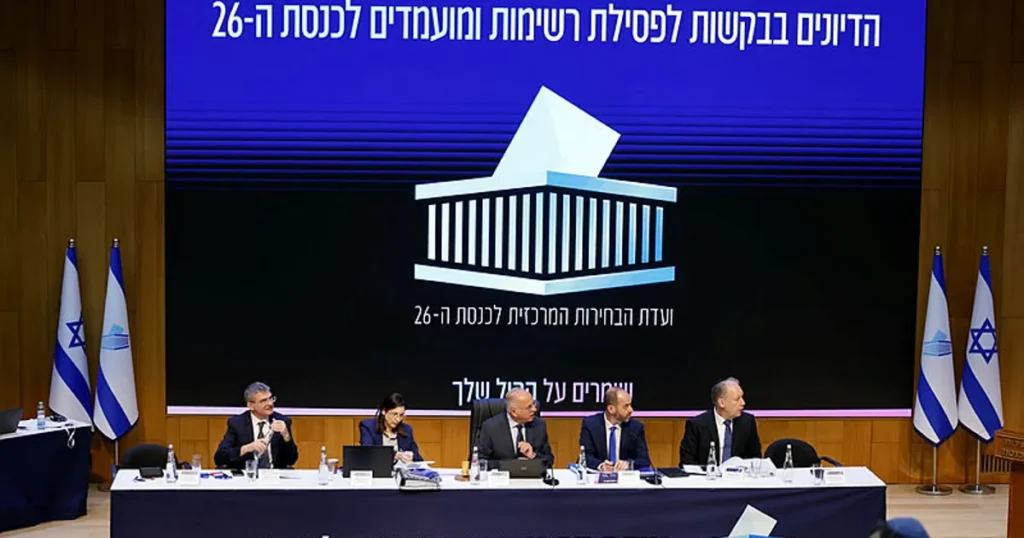
In a significant decision, Israel’s Central Elections Committee has rejected petitions aimed at disqualifying three far-right parties—Otzma Yehudit, Religious Zionism, and Zehut—from participating in the upcoming Knesset election. The petitions argued that these parties undermine democracy and incite racism. This decision allows these parties, including Zehut, led by former Likud MK Moshe Feiglin, to run jointly with Religious Zionism.
The petitions against these parties highlighted concerns that their platforms and rhetoric could potentially harm democratic values and promote racial division. The Central Elections Committee, however, found no sufficient grounds to bar them from the electoral process. This outcome underscores the complexities and tensions within Israel’s political landscape, where issues of democracy, freedom of expression, and racial harmony are continually debated.
The decision has sparked various responses across political and religious communities, reflecting the broader global discourse on Zionism, antisemitism, and the role of political parties in shaping national policies. For many, this ruling is a test of Israel’s commitment to democratic principles, while others view it as a necessary step to ensure all political voices are heard.
In navigating these challenges, the biblical principle of seeking peace and acting justly, as highlighted in Micah 6:8, remains relevant. The call for justice and mercy in public life invites individuals and communities to engage in thoughtful dialogue and reflection on the values that underpin a just society.
As Israel approaches the election, the international community continues to watch closely, considering the implications of these parties’ participation on both domestic and global scales. The outcome of this election will likely influence Israel’s political direction and its relationships with other nations.
In this context, the importance of accountability and care for all citizens, as emphasized in Proverbs 18:17, becomes evident. Ensuring that the electoral process remains fair and inclusive is crucial for maintaining trust in democratic institutions. As the election approaches, the hope is for a peaceful and constructive political environment that prioritizes the well-being of all its people.
Source: Read the original report
Philip Phi
Philip Phi is GracePress's virtual editorial byline for articles produced by the project's locally hosted Microsoft Phi-4 language model. He does not independently report, interview sources, or witness events. Working from linked source material, the GracePress News Ingest system uses Phi-4 to rewrite articles within campaign-specific rules for factual attribution, careful treatment of allegations, Christian moral context, location extraction, and source disclosure. Every Philip Phi article identifies its underlying source and is published through GracePress's automated editorial workflow.