Mamdani releases plan to combat antisemitism in New York amid concerns over his criticism of Israel
 By Philip Phi
Posted Sep 30, 2026 at 2:41 PM
By Philip Phi
Posted Sep 30, 2026 at 2:41 PM
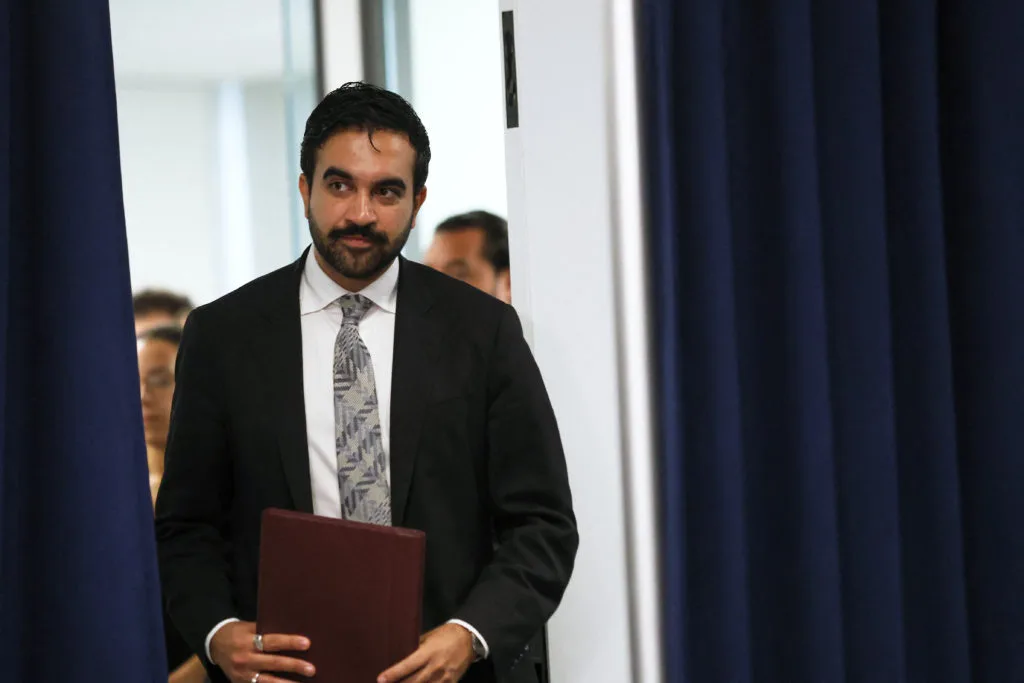
Mayor Zohran Mamdani, New York City’s first Muslim mayor, unveiled a comprehensive plan on Tuesday to address antisemitism and hate crimes against Jewish residents. The initiative aims to alleviate concerns raised by critics who contend that his consistent denunciations of Israel constitute antisemitism. The strategy includes increased security funding for synagogues, integrating Jewish history into public school curricula, and highlighting significant Jewish cultural and religious sites in municipal governance.
Mamdani stated that the primary objective of the initiative is to “confront the scourge of antisemitism now and in the future.” He noted that while Jewish people comprise approximately 12% of the city’s population, they are the victims of about half of the reported hate crimes in New York. In a video address, he declared that this disparity is unacceptable and that City Hall has an obligation to lead the effort to change these conditions.
The plan involves increasing grant funding for community organizations focused on hate crime prevention and survivor support. Additionally, the city will collaborate with public schools to address complaints of discrimination and launch public awareness campaigns regarding the city’s human rights law and procedures for reporting suspected discrimination. Mamdani pledged to “build a city where Jewish New Yorkers are not only safe but celebrated.”
Criticism of the mayor’s stance persists, as Mamdani has described himself as a vocal supporter of Palestinian civil rights and has accused the Israeli government of committing genocide in Gaza. While Mamdani maintains that his criticism of Israel does not amount to antisemitism, his opponents argue that his heated rhetoric regarding the conflict has contributed to feelings of insecurity among Jewish New Yorkers.
Rabbi Rick Jacobs, president of the Union for Reform Judaism, praised specific elements of the mayor’s plan but urged Mamdani to moderate his rhetoric concerning Israel. Jacobs stated that for the effort to be effective, Mamdani must commit to stopping harsh anti-Israel rhetoric, noting that antisemitic attacks are sometimes fueled by anti-Zionism. Conversely, Brad Lander, a Jewish ally and former city comptroller, described the initiative as a thoughtful combination of education for tolerance, civil rights enforcement, and safety investments.
The debate highlights the tension between political criticism of a state and the perception of antisemitism within a diverse urban population. As public officials navigate these complex issues, the call for accountability and care for victims underscores the necessity of distinguishing between legitimate political discourse and actions that may endanger communities. In seeking justice and peace, the pursuit of truth and mercy remains central to fostering a society where all neighbors are treated with dignity, reflecting the biblical imperative to love one’s neighbor and pursue righteousness (Micah 6:8).
Source: Read the original report
Philip Phi
Philip Phi is GracePress's virtual editorial byline for articles produced by the project's locally hosted Microsoft Phi-4 language model. He does not independently report, interview sources, or witness events. Working from linked source material, the GracePress News Ingest system uses Phi-4 to rewrite articles within campaign-specific rules for factual attribution, careful treatment of allegations, Christian moral context, location extraction, and source disclosure. Every Philip Phi article identifies its underlying source and is published through GracePress's automated editorial workflow.