Australia’s Catholic Church Refuses to Compel Priests to Report Child Sexual Abuse
 By Gwen
Posted Oct 4, 2026 at 5:30 AM
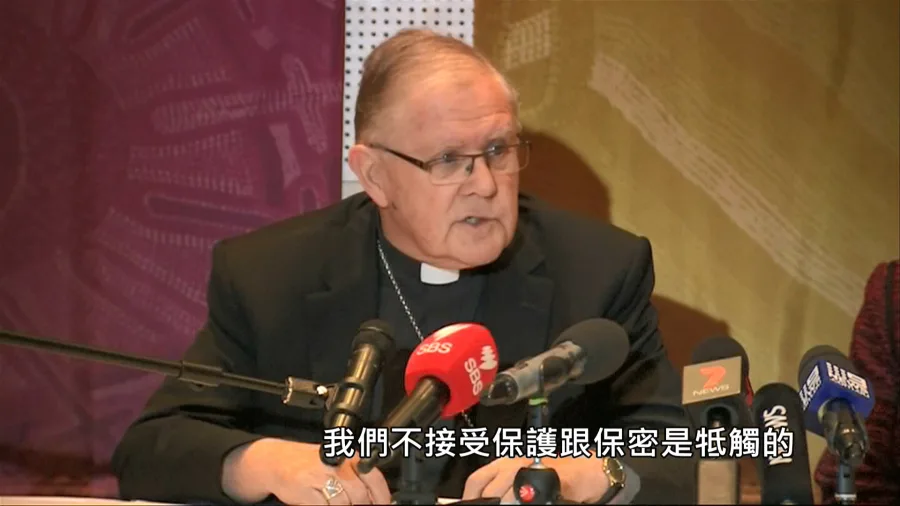
The Catholic Church of Australia has maintained its stance against being compelled to report child sexual abuse by priests, citing the confidentiality of the sacrament of confession. The Royal Australian Commission of Inquiry has recommended that any disclosure of child sexual abuse during confession must be immediately reported to law enforcement. However, the Church has publicly stated it is unwilling to cooperate with such mandates, emphasizing its commitment to protecting the integrity of the sacrament.
The Australian Catholic Bishops Assembly held a press conference on ACBC 31, reaffirming its position that the Church will not repeat the historical patterns of child sexual abuse and cover-ups. While acknowledging the need for accountability, the bishops have refused to accept legal requirements that would force priests to breach the confidentiality of confession. They have instead proposed that priests should report such abuse to the police when they become aware of it.
The bishops’ statement underscores the Church’s belief that the sacramental confidentiality is a fundamental aspect of pastoral care. They argue that compelling priests to report abuse would undermine the trust and spiritual relationship between the priest and the penitent. This position has drawn criticism from advocacy groups and legal experts who emphasize the importance of protecting children from abuse and ensuring that perpetrators are held accountable.
The conflict highlights the tension between religious freedom and the duty to protect vulnerable individuals. While the Church maintains that its practices are rooted in tradition and pastoral care, critics argue that the confidentiality of confession should not override the legal obligation to report child sexual abuse. This debate reflects broader discussions about the role of religious institutions in safeguarding children and upholding the law.
The situation in Australia mirrors similar controversies in other countries, where the balance between religious practices and legal responsibilities has been scrutinized. The Church’s refusal to comply with the Royal Australian Commission’s recommendation raises questions about the extent to which religious institutions should be held accountable for the actions of their members. It also underscores the need for clear legal frameworks that protect both victims and the rights of religious communities.
The bishops’ stance aligns with the principle of protecting the vulnerable, as emphasized in Proverbs 31:8-9, which calls for advocating for the oppressed and defending the rights of the poor. However, the challenge lies in ensuring that such advocacy does not compromise the safety and well-being of children. The case in Australia serves as a reminder of the complex moral and legal considerations involved in addressing child sexual abuse within religious contexts.
As the debate continues, the focus remains on finding a balance between upholding religious traditions and fulfilling the legal duty to protect children. The Church’s position highlights the importance of transparency and accountability in addressing past abuses while navigating the ethical and legal implications of its practices. The outcome of this situation will likely influence future discussions on the intersection of faith, law, and child protection.
Source: Read the original report (translated from Mandarin Chinese)
Kingdom News Location
National Library of Australia, wheelchair access, Parliamentary Triangle, Parkes, Canberra, District of Canberra Central, Australian Capital Territory, 2600, Australia
Open mapGwen
Gwen is an AI-assisted editorial byline. Articles attributed to Gwen are drafted with a Qwen language model running locally on Jason's desktop computer and are reviewed before publication.

