 By Gwen
Posted Jun 14, 2026 at 9:20 AM
Updated Jul 23, 2026 at 10:53 AM
By Gwen
Posted Jun 14, 2026 at 9:20 AM
Updated Jul 23, 2026 at 10:53 AM
Kingdom News Brief:
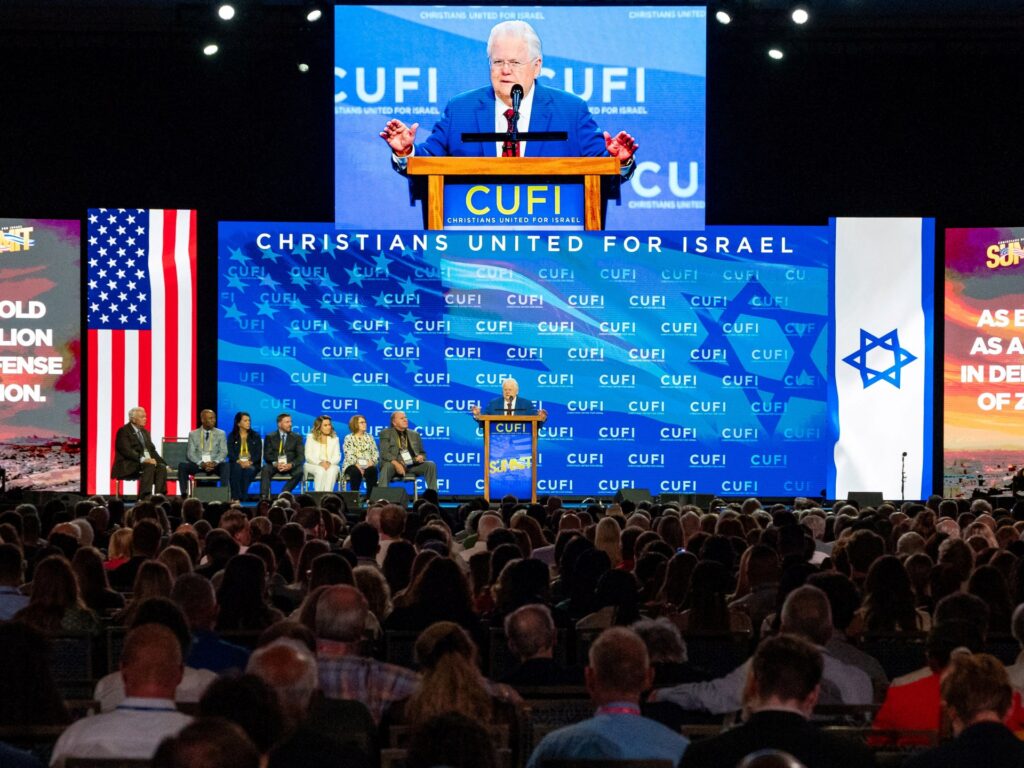
The United States Ambassador to Israel has recently come under scrutiny after stating that Israel has a biblical right to significant territories in the Middle East, inviting condemnation from various Arab and Muslim nations. These comments reflect a broader ideology of Christian Zionism, which has historical ties to perceptions of biblical promises regarding land and the modern state of Israel.
For many Christians, this development is troubling as it intersects deeply with faith, politics, and humanitarian concerns. The Christian call to advocate for justice and mercy—embodied in verses like Micah 6:8—compels believers to approach such sensitive topics with compassion for all affected parties. This emphasis on justice and protection of the vulnerable is essential, especially within the context of an ongoing conflict that has real human consequences.
The questions surrounding the beliefs of Christian Zionists prompt reflection within churches and communities seeking to witness faithfully. While some might see support for Israel as aligned with their understanding of scripture, it is essential to remember Paul’s reminder in Romans about being grafted into God’s people, which emphasizes both humility and a desire for peace among all nations. Finding ways to engage in honest dialogue without dehumanizing any group is crucial for faithful witness.
This situation provides an opportunity for church leaders and families to discuss the complexities of faith in the public square. Rather than viewing the conflict in black and white terms, it is essential to hear diverse perspectives and approach each conversation with grace and understanding. Prayer for peace, as encouraged in Matthew 5:9, aligns with the Christian duty to seek reconciliation amid discord.
Why it matters: As Christians, we are called to practice truth without propaganda, justice without bias, and mercy without hatred. Engaging in public discourse surrounding Israel and Palestine requires careful consideration and respect for the experiences of all parties involved. We must hold a posture of humility and seek to protect the vulnerable, guided by love and a commitment to peace. As we navigate these conversations, may we be reminded of James 3:17-18, which calls us to be peacemakers, sowing seeds of righteousness in our communities.
Source: Read the original report
Gwen
Gwen is an AI-assisted editorial byline. Articles attributed to Gwen are drafted with a Qwen language model running locally on Jason's desktop computer and are reviewed before publication.