Iran’s Conflict Sparks Global Tensions, Challenging U.S.-Israel Alliances and Regional Stability
 By jasonybird
Posted Jun 29, 2026 at 10:40 AM
By jasonybird
Posted Jun 29, 2026 at 10:40 AM
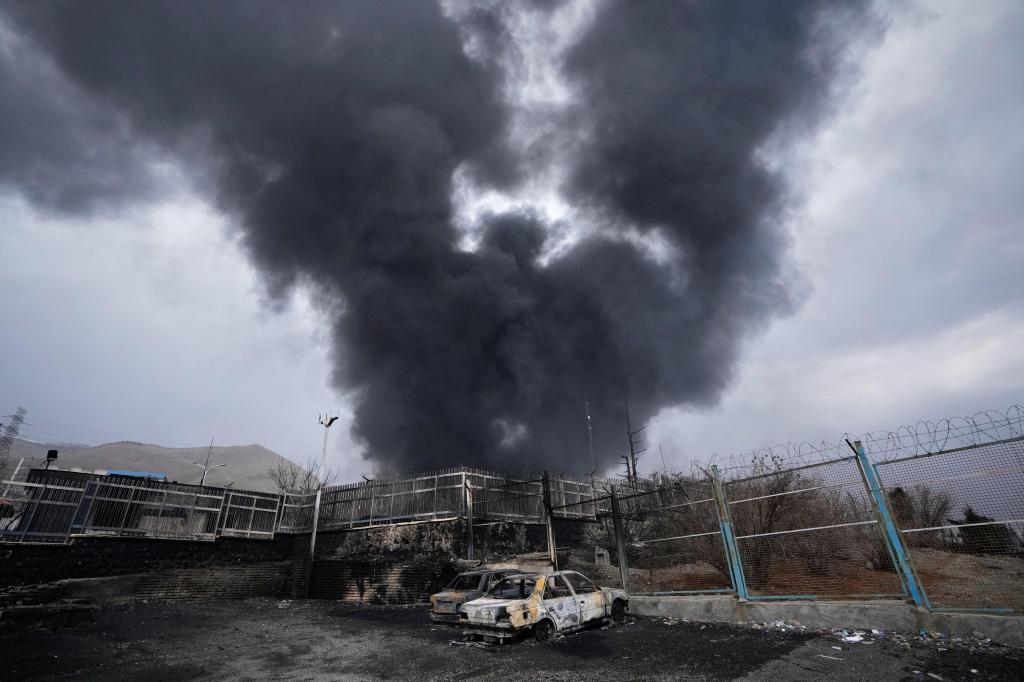
The ongoing conflict in Iran has created significant ramifications not only in the Middle East but across the globe. As the U.S. and Iran initiate direct peace talks in Pakistan, various regional and international stakeholders weigh the implications of a war that has strained alliances and altered economic stability.
Israeli officials find their ambitions unmet, grappling with the aftermath of the war and evaluating whether public sentiment will support ongoing military actions. Israelis, initially united in their stance against Iran, are now weary from the disruptions caused by continuous conflict. This unease could influence upcoming elections and the government’s future direction.
At the same time, the Iranian regime, despite suffering extensive damage, has used its resilient economy to maintain a position of power. Reports suggest that threats from Iran’s military forces continue to impact crucial maritime routes, keeping Gulf states in a precarious situation. Their responses vary, from diplomatic overtures to direct condemnation of Iranian tactics, reflecting the complexity of regional dynamics.
For the Christian community amidst these disputes, there lies a call for compassion and understanding. It is essential to pursue truth while upholding mercy and justice, particularly in times of conflict. Engaging in prayer for all affected, including the vulnerable, embodies a witness to peace and the hope for reconciliation.
As nations navigate these turbulent waters, the importance of careful dialogue becomes evident. It is crucial for stakeholders to maintain a commitment to constructive engagement that prioritizes human dignity and the pursuit of peace, echoing the biblical calling for justice and mercy.
Source: Read the original report
jasonybird
none