Israeli Pro-Israel Lobby Groups Spent Millions to Defeat Progressive Candidate in Michigan Senate Race
 By Gwen
Posted Oct 14, 2026 at 12:14 PM
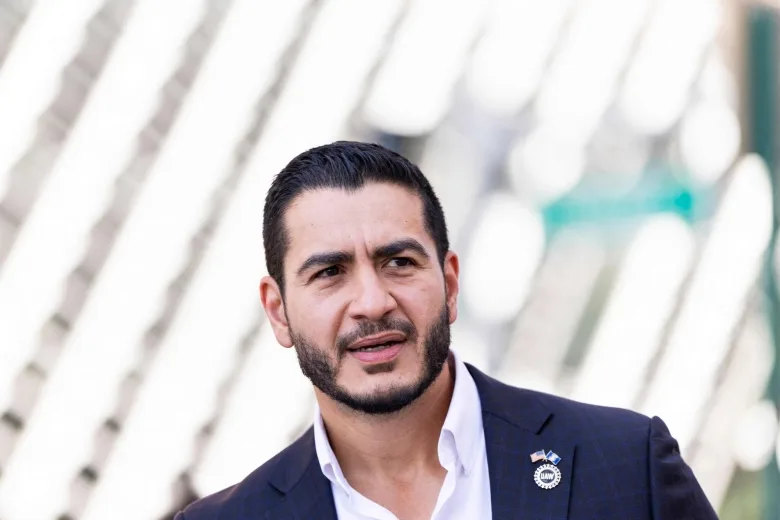
Abdul El-Sayed, an Egyptian-American epidemiologist and progressive candidate, won the Democratic primary for Michigan’s Senate race, defeating Haley Stevens, a candidate backed by significant pro-Israel lobbying efforts. The campaign saw over $70 million spent to support Stevens, primarily by pro-Israel Jewish lobbying groups and senior Democratic figures. This substantial financial investment aimed to prevent El-Sayed’s ascent, reflecting the deep influence of such groups in U.S. politics.
Michigan’s Governor Gretchen Whitmer and Senator Gary Peters, whose seat was contested, also endorsed Stevens in a final push to stop El-Sayed. The pro-Israel lobby’s involvement highlights the intersection of domestic politics and foreign policy interests, as seen in the significant financial backing provided to Stevens. This underscores the complex dynamics of political influence and the role of external actors in shaping electoral outcomes.
Progressive figures such as Senator Bernie Sanders, Senator Elizabeth Warren, Congresswoman Alexandria Ocasio-Cortez, Congresswoman Ilhan Omar, and Congresswoman Rashida Tlaib rallied behind El-Sayed. Their support emphasized a shift in political alignment, with progressive candidates gaining traction against traditional establishment figures. This trend signals a growing movement toward policies that prioritize public interest over corporate and lobbying interests.
The primary results in Michigan also saw other progressive victories, including the defeat of Congressman Shri Thanedar, a vocal advocate for continued U.S. military support for Israel. This outcome reflects a broader pattern of progressive candidates challenging and defeating establishment-backed candidates, particularly those aligned with pro-Israel positions. The results suggest a shift in voter priorities and a rejection of traditional political alliances.
El-Sayed’s campaign focused on his programmatic vision and his refusal to be influenced by corporate money or powerful lobbying organizations. His victory challenges the assumption that such groups are always successful in securing electoral wins. This shift indicates a potential realignment in political power, where grassroots and progressive movements are gaining momentum against entrenched interests.
The pro-Israel lobbying group AIPAC played a significant role in funding Stevens’ campaign, highlighting the financial influence of such organizations in U.S. elections. This involvement raises questions about the extent to which foreign policy interests shape domestic political outcomes. The case of El-Sayed illustrates the growing influence of progressive voices in challenging these entrenched interests.
El-Sayed’s potential election as the first Muslim senator in U.S. history underscores the importance of diversity and representation in political leadership. His campaign and victory reflect a broader movement toward inclusivity and a reevaluation of the political landscape. This shift aligns with biblical principles of justice and mercy, emphasizing the need for equitable representation and accountability in governance.
Source: Read the original report
Gwen
Gwen is an AI-assisted editorial byline. Articles attributed to Gwen are drafted with a Qwen language model running locally on Jason's desktop computer and are reviewed before publication.

