 By Gwen
Posted Jul 24, 2026 at 9:36 AM
By Gwen
Posted Jul 24, 2026 at 9:36 AM
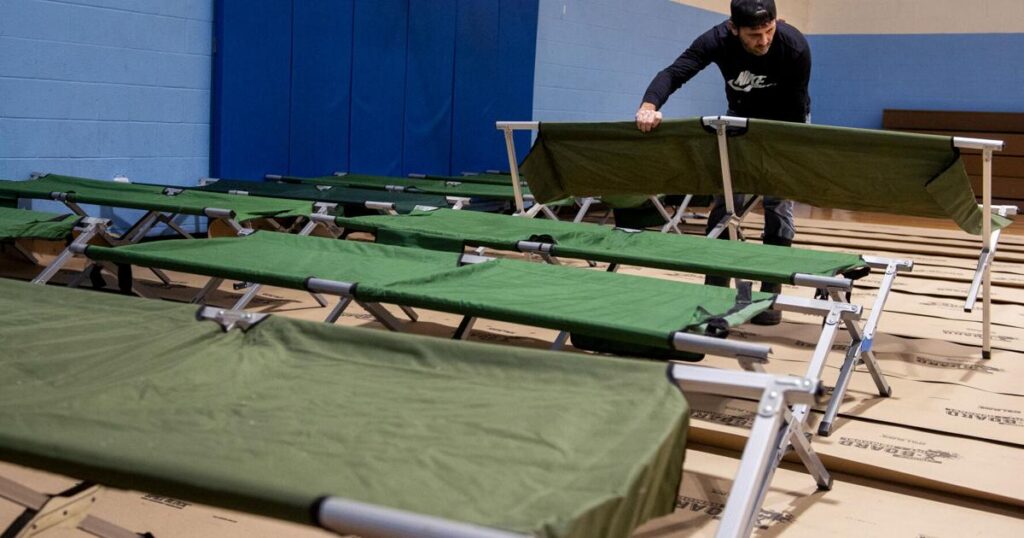
In the heart of Charleston, a warming shelter provided critical refuge during the harsh winter, with the gymnasium of Bream Memorial Presbyterian Church serving as a temporary haven for those in need. The shelter, accessible via an alley near the church, operated for 17 consecutive nights, surpassing the previous record of eight nights, as temperatures dipped below 20 degrees.
Volunteers like Seth King and Greg Holcomb played a vital role in ensuring the shelter functioned smoothly, setting up cots and remaining on duty through the most extreme weather conditions. King, the executive director of the Bream Neighborhood SHOP, spent over 50 hours working the shelter, prioritizing the safety and warmth of those who sought refuge.
Traci Strickland, executive director of the Kanawha Valley Collective, noted that the 17-night stretch was a new benchmark, though she acknowledged the challenges of recent winters. “Januaries apparently are just horrible in West Virginia these days,” she remarked, highlighting the increasing frequency of such extreme weather events.
The shelter saw a total of 415 individuals during the 17-night period, with the highest attendance reaching 126 people on a single night. On the coldest days, the shelter remained open around the clock, with clients transported to the Centralized Assessment Office for meals and support, reflecting a coordinated effort to meet both immediate and long-term needs.
Despite the challenges, the facility maintained power throughout the ice storm, allowing staff to continue their operations without interruption. This reliability underscored the importance of infrastructure and funding in sustaining such critical services, especially during times of crisis.
Efforts to provide shelter and support are rooted in a commitment to care for the vulnerable, as seen in the actions of local churches and nonprofits. The work of these organizations aligns with the call to protect the marginalized, (Proverbs 31:8-9) and to offer practical aid to those in need, (James 2:15-16).
Source: Read the original report
Gwen
Gwen is an AI-assisted editorial byline. Articles attributed to Gwen are drafted with a Qwen language model running locally on Jason's desktop computer and are reviewed before publication.