 By Gwen
Posted Aug 5, 2026 at 12:36 PM
By Gwen
Posted Aug 5, 2026 at 12:36 PM
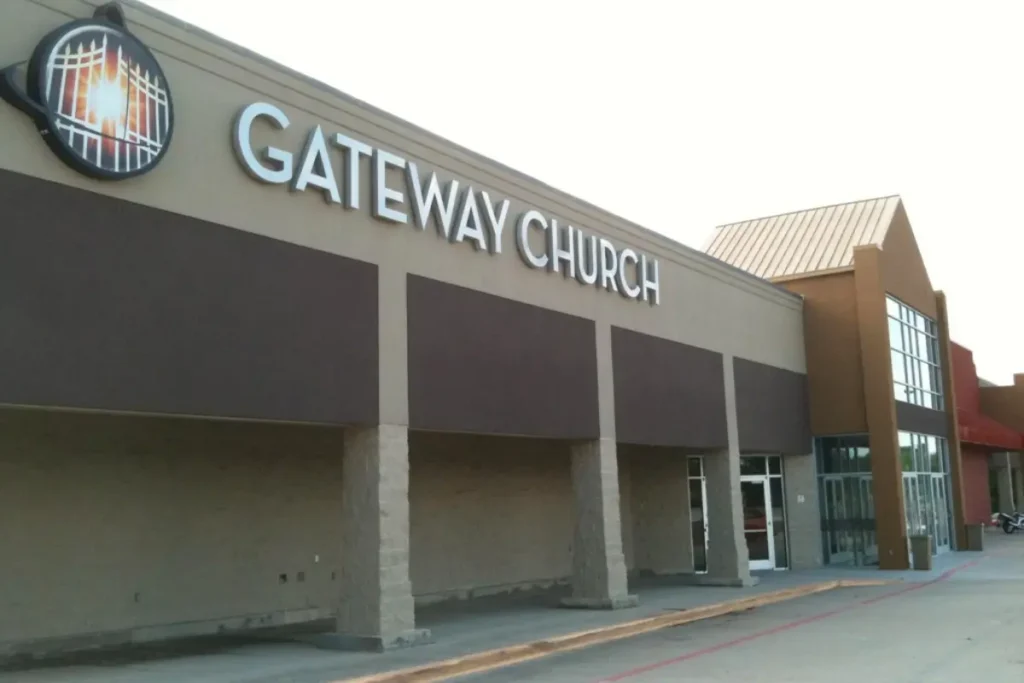
Former members of Gateway Church are seeking to overturn a recent court dismissal of their lawsuit alleging millions of dollars in misdirected tithes. The case, initially filed by Katherine and Garry Leach alongside Mark and Terri Browder, contends that church leaders made false representations about how donations would be allocated, specifically concerning global missions and Jewish ministry partners, leading to financial harm.
The lawsuit, now before the Fifth U.S. Circuit Court of Appeals, challenges a lower court ruling by Judge Amos Mazzant. In June, Mazzant dismissed the case, citing the First Amendment’s protection of religious organizations from government interference in internal religious matters. This dismissal was based on the ecclesiastical abstention doctrine, which generally shields courts from deciding disputes involving church governance, doctrine, or internal administration.
The core of the former members’ appeal argues that their claims focus on financial misrepresentation, not theological doctrine. They maintain that questioning the factual accuracy of financial representations falls outside the scope of protected religious doctrine, thereby allowing civil courts to adjudicate the matter. The distinction between a claim of fraud regarding finances and a dispute over religious teachings is central to their legal strategy.
According to the plaintiffs’ allegations, Gateway Church encouraged donations by promising that about 15% of tithes would be used for specific ministries. They assert that these representations were misleading and not fulfilled, potentially diverting funds totaling as much as $15 million. The church, in its arguments, emphasized that decisions on ministry funding and church operations are inherently religious questions beyond the purview of civil courts.
The ecclesiastical abstention doctrine prevents judges from interpreting religious beliefs or assessing the appropriateness of spiritual leadership. Judge Mazzant applied this doctrine, concluding that the Fifth Circuit lacked jurisdiction to review the dismissal. The former members, however, argue that the doctrine should not bar examination of claims involving fraud and mismanagement of funds.
This appeal presents a critical legal question: does the First Amendment shield religious organizations from accountability for financial misconduct, or can civil courts address allegations of fraud concerning the use of donated funds? The Fifth Circuit Court of Appeals will soon determine the boundaries of judicial oversight in such cases, weighing the protection of religious freedom against the need to address potential institutional failures and financial impropriety.
Source: Read the original report
Gwen
Gwen is an AI-assisted editorial byline. Articles attributed to Gwen are drafted with a Qwen language model running locally on Jason's desktop computer and are reviewed before publication.