 By Gwen
Posted Aug 8, 2026 at 9:30 AM
By Gwen
Posted Aug 8, 2026 at 9:30 AM
Israeli Prime Minister Benjamin Netanyahu’s reliance on far-right coalition partners has left him hesitant to challenge settler groups accused of attacking Palestinian Christians, according to Robert O Smith, an associate professor of Authentic Diversity, Justice, and Public Church at the Lutheran School of Theology. Smith notes that these attacks reflect a broader Israeli ethno-nationalism and an ideology of Jewish supremacy, which excludes non-Jewish communities from the vision of a state they imagine as exclusively theirs.
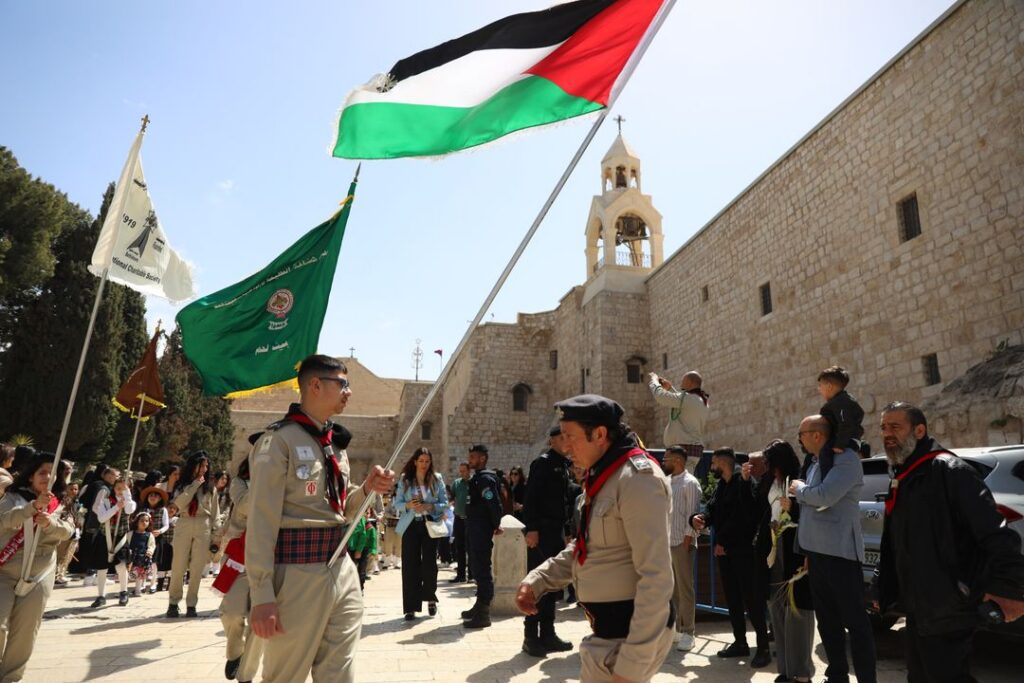
The violence against Palestinian Christians has intensified in recent months, with reports of settler attacks on Christian-populated villages and harassment of clergy. These incidents, including the burning of villages and physical assaults on religious figures, have drawn criticism from church leaders and analysts. The situation has raised concerns about the treatment of Christians within the Israeli-Palestinian conflict, particularly as it relates to the support of Netanyahu among American Christian Zionists.
In the United States, the issue has gained traction, with media outlets like The Wall Street Journal and CNN highlighting the harassment and violence faced by Christian communities in occupied East Jerusalem and the West Bank. Social media has also played a role, with videos of Jewish extremists assaulting Christian clergy and footage of Israeli soldiers vandalizing religious symbols sparking outrage. These incidents have prompted calls for accountability and reflection on the role of Christian Zionism in supporting policies that may harm non-Jewish communities.
The growing concern over the treatment of Palestinian Christians has led to discussions about the moral implications of supporting Israeli policies that prioritize Jewish national identity over the rights of others. As the conflict continues, the question remains: will the increasing violence against Christians reshape the stance of Christian Zionists toward Netanyahu and the Israeli government?
The Bible speaks of justice and mercy, emphasizing the importance of treating all people with fairness and compassion. Micah 6:8 reminds us to act justly, love mercy, and walk humbly with God. In light of these principles, the actions of those in power must be scrutinized to ensure they align with the values of justice and care for all people, regardless of their faith or background.
Source: Read the original report
Kingdom News Location
West Bank, Washington Avenue South, Cedar-Riverside, Dinkytown, University, Minneapolis, Hennepin County, Minnesota, 55454, United States
Open mapGwen
Gwen is an AI-assisted editorial byline. Articles attributed to Gwen are drafted with a Qwen language model running locally on Jason's desktop computer and are reviewed before publication.