 By Gwen
Posted Aug 10, 2026 at 9:36 AM
By Gwen
Posted Aug 10, 2026 at 9:36 AM
Karen Yang, a member of the Ann Arbor Adventist Church in Michigan, encountered a moment of unexpected kindness in the fall of 2021. While driving to the bus stop, she noticed two young men—Vincent, a Rwandan refugee and regular church attendee, and Sherif, a newly arrived refugee from a camp. Recognizing Vincent, she offered them a ride to their temporary hotel home. The family, visibly anxious, accepted her invitation to attend church on the Sabbath, a rare and welcoming gesture for non-Sabbath-keeping Christians.
The Ann Arbor church extended a warm welcome to the Rwandan family, offering winter clothing, shoes, blankets, and other essentials. A generous church member sponsored the youngest son’s enrollment in the Ann Arbor Adventist Elementary School. Yang began visiting the family more frequently, connecting with other refugees who noticed the Rwandan family seemed less distressed than others. Some Afghan refugee families, struggling with the monotony of life in cramped hotel rooms, expressed frustration at the lack of activities for their children.
As Thanksgiving approached, Pastor Daniel Rodriguez proposed a congregational meal for the refugee families. Fifteen Rwandan and seventeen Afghan refugees attended, with translators provided for each group to ensure understanding. The Afghan families expressed gratitude for the opportunity to play and run in the school gym, sharing a heartfelt speech of thanks. Church members later accompanied Afghan refugee women to a second-hand store and took children to the public library for books and playtime.
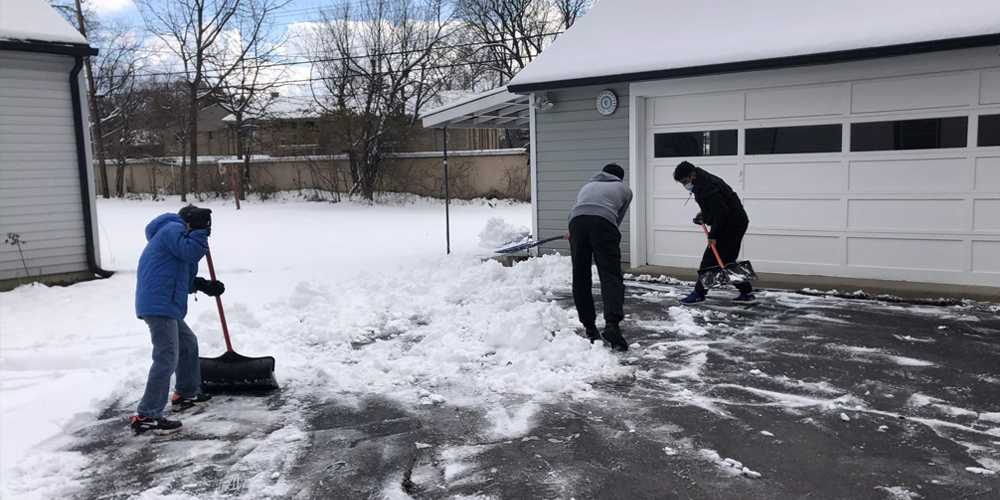
Yang and Rodriguez collaborated with Plymouth Adventist Community Services to select essential items for the families’ new homes. An agency in Ann Arbor soon found apartments for the families, marking a significant step toward stability. Trust between Yang and the refugee families grew through shared labor, such as raking leaves at homes near the church. Using machine translation, Yang introduced the refugees to neighbors, who generously donated for the service.
The story reflects the biblical call to care for the vulnerable, as seen in Matthew 25:35, where Jesus emphasizes the importance of serving those in need. The church’s efforts embody the spirit of neighbor-love and mercy, demonstrating how communities can provide practical support and hope in times of displacement.
Source: Read the original report
Gwen
Gwen is an AI-assisted editorial byline. Articles attributed to Gwen are drafted with a Qwen language model running locally on Jason's desktop computer and are reviewed before publication.