 By Gwen
Posted Aug 11, 2026 at 7:31 AM
By Gwen
Posted Aug 11, 2026 at 7:31 AM
Kars4Kids, a charity that has long run car donation campaigns, has faced a significant legal setback in California, where a judge has ruled that its advertisements must be banned from broadcast. The decision stems from allegations that the organization’s fundraising efforts conceal a broader agenda aimed at promoting Orthodox Judaism. The ruling marks a pivotal moment in the ongoing scrutiny of the group’s practices, which have drawn criticism for misleading donors about the true purpose of their contributions.
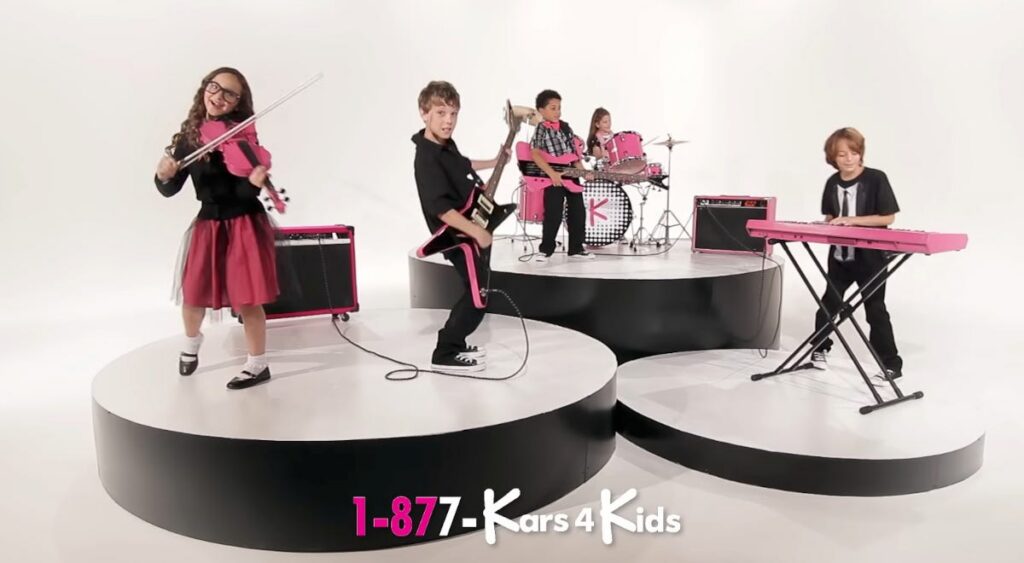
The commercials, which feature a catchy jingle and a call to action for car donations, have been a staple of American television for years. However, the judge’s decision highlights a growing concern that these ads fail to disclose the organization’s religious mission. According to the ruling, the ads do not adequately inform donors that their contributions are supporting a non-profit focused on advancing Orthodox Jewish values. This omission has sparked debates about transparency in charitable fundraising and the ethical implications of using secular media to promote religious causes.
At the heart of the controversy is the organization’s website, which outlines its broader mission. While the site does mention that donations support a non-profit group and its “sister charity,” Oorah, it does not clearly state that these entities are dedicated to promoting Orthodox Judaism. Critics argue that this lack of transparency misleads donors, who may believe their contributions are going toward general charitable purposes rather than specific religious initiatives. The judge’s ruling underscores the importance of clear disclosure in charitable fundraising, particularly when the organization’s mission is tied to a specific religious tradition.
The case has drawn comparisons to similar legal challenges in other states, where lawmakers and advocacy groups have raised concerns about the ethical implications of using secular media to promote religious agendas. In some instances, these concerns have led to legislative action aimed at increasing transparency in charitable fundraising. The California ruling, however, is notable for its direct impact on the organization’s ability to reach its audience through traditional broadcast channels.
The judge’s decision also raises broader questions about the role of religious organizations in public life and the responsibilities of charities to disclose their missions to donors. While the First Amendment protects the right to engage in religious advocacy, critics argue that this protection should not come at the expense of transparency. The ruling serves as a reminder that accountability and ethical standards must guide charitable activities, regardless of the organization’s religious affiliations.
In light of these developments, the case has sparked renewed discussions about the intersection of religion, charity, and public trust. Advocacy groups have called for greater oversight of charitable organizations, particularly those that operate in the public sphere. Meanwhile, supporters of Kars4Kids have defended the organization’s practices, emphasizing its long-standing commitment to helping children and its efforts to provide resources through its affiliated charities. The debate highlights the complex balance between religious freedom and the need for transparency in charitable giving.
The ruling also aligns with broader concerns about the influence of religious organizations in public life. As these groups continue to engage in charitable work, the need for clear disclosure of their missions becomes increasingly important. The California case serves as a cautionary tale about the potential consequences of misleading donors and the importance of maintaining public trust in charitable institutions. As the discussion continues, the focus remains on ensuring that all charitable activities are conducted with integrity, transparency, and a commitment to the well-being of those they serve.
Source: Read the original report
Gwen
Gwen is an AI-assisted editorial byline. Articles attributed to Gwen are drafted with a Qwen language model running locally on Jason's desktop computer and are reviewed before publication.