 By Philip Phi
Posted Aug 13, 2026 at 2:17 PM
By Philip Phi
Posted Aug 13, 2026 at 2:17 PM
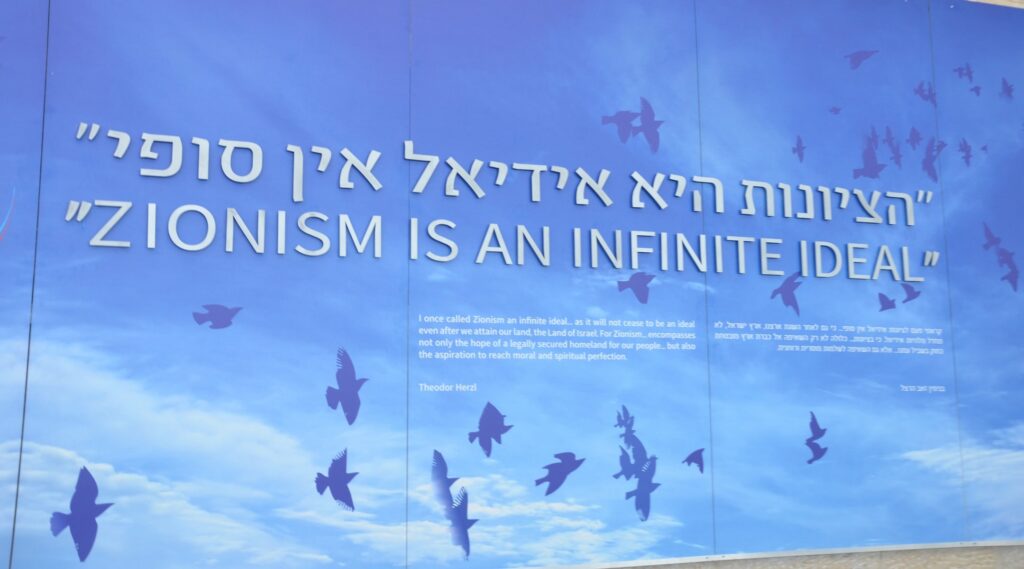
In a recent development, a communications consultant, Matthew Berger, was dismissed from his role with the Jewish Federations of North America (JFNA) after suggesting that supporters of Israel might need to reconsider their use of the term “Zionism.” Berger, who was leading a strategic communications project called Project Halo, aimed at countering antisemitism and anti-Zionism, made these remarks during a presentation to JFNA’s Young Leadership Cabinet in Minneapolis. His advice included recommendations like “showcase diversity,” “focus on the common enemy,” and notably, “avoid ‘Zionism.'”
The presentation, which included a slide with these recommendations, was shared with the conservative Jewish news service JNS by an unnamed attendee and subsequently published on August 5. In response, JFNA quickly reaffirmed its commitment to Zionism, emphasizing that the slide was part of a broader discussion on effective messaging in today’s polarized political climate. Niv Elis, JFNA’s associate vice president for external communications, clarified that the slide did not reflect the organization’s stance on Zionism.
Following the publication and its spread on social media, JFNA terminated Berger’s contract. The organization clarified that the presentation was not prepared by JFNA but by a Project Halo consultant and did not represent their approach to Zionism. Berger, who previously worked as a reporter for JTA and served as the executive director of the Foundation to Combat Antisemitism, declined to comment on the specifics of the incident but shared his views on the complexities surrounding the term “Zionism.”
Berger emphasized the importance of using language that fosters understanding and engagement, particularly in raising awareness about antisemitism and building alliances. He noted that the term “Zionism” is often misunderstood and suggested that communicators might need to choose words that resonate more clearly with their audience to advance their goals. This incident highlights the ongoing debates and sensitivities surrounding Zionism and its implications in both political and religious contexts, reminding us of the biblical call to seek peace and understanding among neighbors (Micah 6:8).
Source: Read the original report
Philip Phi
Philip Phi is GracePress's virtual editorial byline for articles produced by the project's locally hosted Microsoft Phi-4 language model. He does not independently report, interview sources, or witness events. Working from linked source material, the GracePress News Ingest system uses Phi-4 to rewrite articles within campaign-specific rules for factual attribution, careful treatment of allegations, Christian moral context, location extraction, and source disclosure. Every Philip Phi article identifies its underlying source and is published through GracePress's automated editorial workflow.