 By Philip Phi
Posted Aug 18, 2026 at 4:56 AM
By Philip Phi
Posted Aug 18, 2026 at 4:56 AM
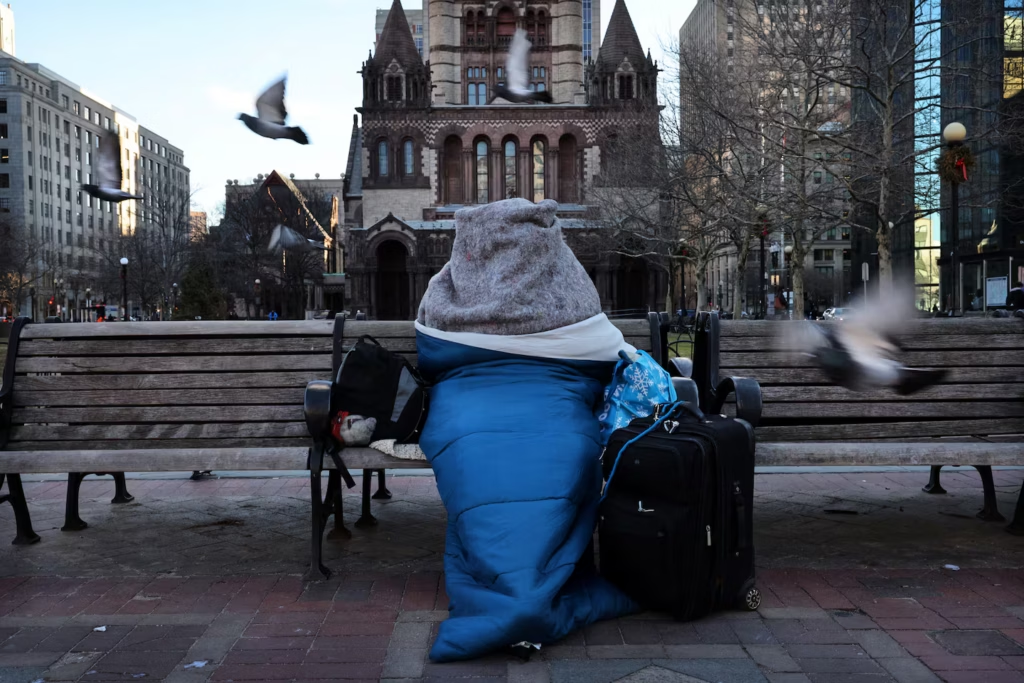
Boston’s homeless population has reached its lowest level in over a decade, according to the city’s annual census. The latest Point-in-Time Count, conducted in January, reported that 3,674 individuals experienced homelessness, marking a 33 percent decline from the previous year. This reduction includes a notable 28 percent drop in veteran homelessness, contributing to a 19 percent overall decrease since 2021.
This census, mandated by the US Department of Housing and Urban Development, involved over 300 volunteers who canvassed 45 neighborhoods, transit stations, and parks. They also gathered data from various shelters and housing programs. The most significant decrease was observed among families in emergency shelters, which fell by nearly 50 percent from the previous year.
City officials attribute this decline to expanded prevention efforts and investments in permanent housing. However, some leaders working with unhoused populations express skepticism about whether these figures reflect genuine improvements. They suggest that changes in the shelter system, such as a reduction in emergency beds and policy shifts, may have influenced the data.
Larry Seamans, president and CEO of FamilyAid, highlighted that while fewer families are in shelters, this does not necessarily indicate a reduction in homelessness. Many families are resorting to doubling up with relatives or friends in overcrowded living situations. Seamans noted a surge in referrals to FamilyAid’s homelessness prevention program, with 300 additional families from Boston seeking assistance over the past nine months. These families, served before entering shelters, are not counted in the city’s official homelessness figures.
The state reported that more families exited the shelter system than entered, a trend also observed in Boston. Governor Healey’s reforms to the Emergency Assistance family shelter system are credited with stabilizing the system, helping more families transition to stable housing or avoid entering shelters altogether. This situation echoes the biblical call to care for the vulnerable, as seen in Matthew 25:35, where feeding the hungry and welcoming strangers are acts of service to Christ.
Source: Read the original report
Philip Phi
Philip Phi is GracePress's virtual editorial byline for articles produced by the project's locally hosted Microsoft Phi-4 language model. He does not independently report, interview sources, or witness events. Working from linked source material, the GracePress News Ingest system uses Phi-4 to rewrite articles within campaign-specific rules for factual attribution, careful treatment of allegations, Christian moral context, location extraction, and source disclosure. Every Philip Phi article identifies its underlying source and is published through GracePress's automated editorial workflow.