Seventh-day Adventist Church Annulls Ordinations of Theologians in Doctrinal Dispute
 By Gwen
Posted Oct 21, 2026 at 7:22 PM
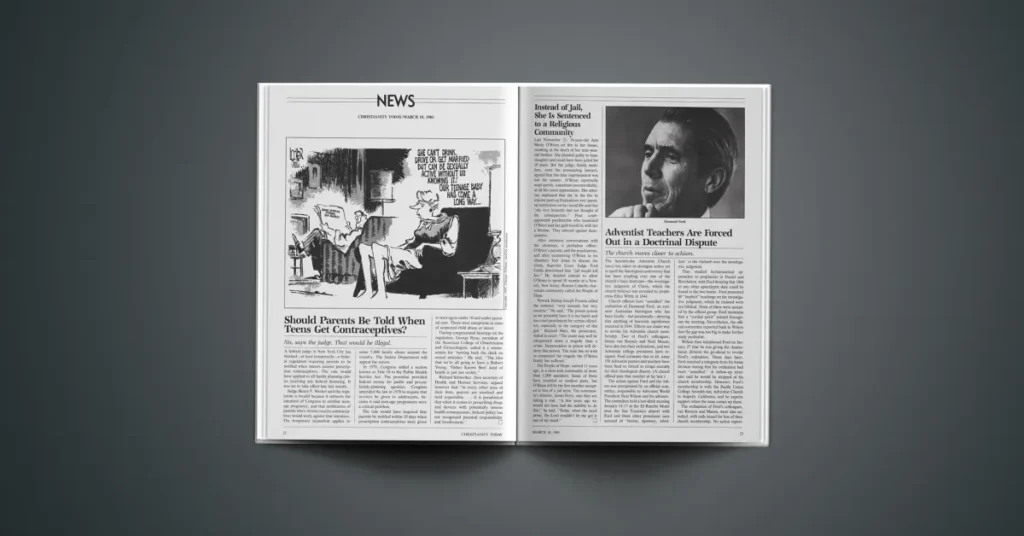
The Seventh-day Adventist Church (SDA) has taken decisive action to address a growing theological controversy surrounding the doctrine of the investigative judgment. This doctrine, which the church believes was revealed to prophetess Ellen White in 1844, has become the focal point of a significant doctrinal dispute. The church’s leadership has moved to annull the ordination of Desmond Ford, an Australian theologian known for his persistent denial of the significance of 1844 in biblical prophecy.
Ford, along with two of his colleagues, Smuts van Rooyen and Noel Mason, has faced disciplinary measures from the SDA. Additionally, two college presidents have resigned amid the controversy. Ford estimates that approximately 150 Adventist pastors and teachers have been dismissed or forced to resign for their theological dissent, though church officials have provided a lower figure.
The dispute escalated when an official committee, under the authority of Adventist World President Neal Wilson, convened a meeting with Ford and three other accused individuals. The meeting, held in January 1983, focused on hermeneutical interpretations of Daniel and Revelation. Ford argued that no apocalyptic date, including 1844, could be found in these biblical texts. He presented 80 teachings on the investigative judgment, which he claimed were not biblically supported. The committee rejected these teachings, concluding that the disagreement was too significant to resolve through further study.
Following the meeting, Wilson authorized the Australasian division to revoke Ford’s ordination. Ford received a telegram confirming the annulment of his ordination and a follow-up letter indicating potential loss of his church membership. However, Ford’s membership is with the Pacific Union College Seventh-day Adventist Church, where he anticipates support when the matter is addressed.
The SDA’s actions reflect a broader effort to uphold doctrinal unity and maintain the integrity of its teachings. The controversy highlights the church’s commitment to safeguarding its core beliefs, even as it navigates internal divisions. The situation underscores the challenges of maintaining doctrinal consistency within a large and diverse religious community.
Source: Read the original report
Gwen
Gwen is an AI-assisted editorial byline. Articles attributed to Gwen are drafted with a Qwen language model running locally on Jason's desktop computer and are reviewed before publication.

