 By Philip Phi
Posted Aug 27, 2026 at 10:10 PM
By Philip Phi
Posted Aug 27, 2026 at 10:10 PM
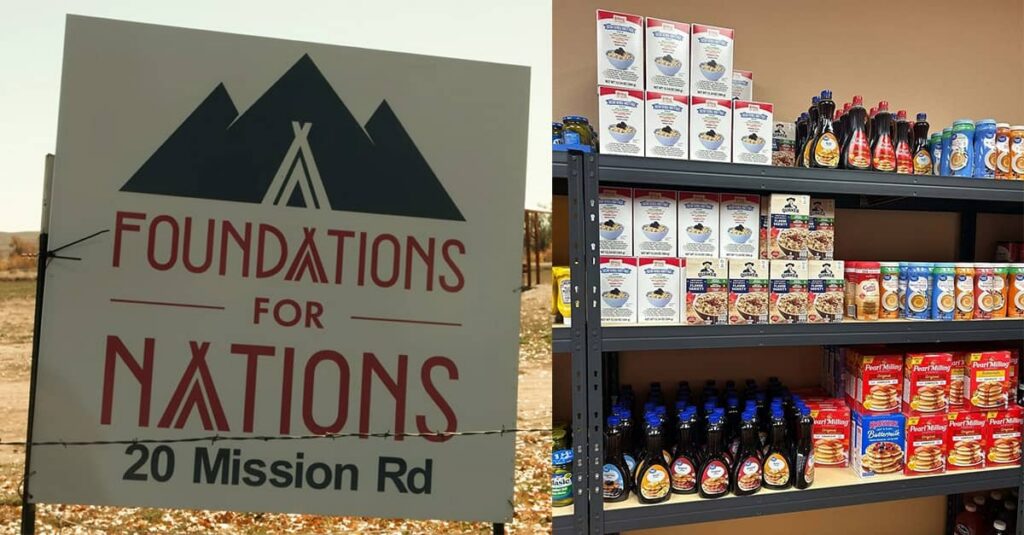
In Fremont County, Wyoming, a local church’s food pantry, serving over 2,000 residents each month, has been forced to cease operations due to a sermon that emphasized the Gospel of Jesus Christ. The Foundations For Nations Church (FNC), a multicultural, evangelical church on the Wind River Indian Reservation in Riverton, Wyoming, has been a vital resource for the community, providing not only a food bank but also a clothing closet, pregnancy resource center, domestic violence shelter, and recreation center.
The situation arose after a sermon on July 5, which taught that redemption and salvation are possible only through Jesus Christ. This message, which compared the Gospel of grace with various Native American religious practices, including the Sun Dance ceremony of the Northern Arapaho Tribe, sparked significant controversy. The sermon was perceived as offensive by some, leading to public outrage and vocal criticism from the Northern Arapaho Business Council (NABC) and others.
In response to the backlash, the Food Bank of the Rockies and its Wyoming branch, which had a longstanding partnership with FNC, decided to end their association, cutting off the food supply to the church’s ministry. This decision has impacted thousands of local residents who relied on the church’s resources.
The church, led by Pastor Jason Lucas and his wife, Sarah, has been a beacon of support in the community, embodying the biblical principle of loving one’s neighbor (Matthew 25:35). The controversy highlights the tension between religious expression and cultural sensitivity, raising questions about the balance between faith-based initiatives and community relations.
The Food Bank of the Rockies, funded by the USDA, is subject to federal civil rights protections that prohibit discrimination against faith-based organizations. These protections are grounded in the Free Exercise Clause of the First Amendment, the Religious Freedom Restoration Act (RFRA), and the Indian Civil Rights Act (ICRA), ensuring that religious groups can participate in federal programs without facing discrimination.
This situation underscores the importance of dialogue and understanding in diverse communities, as well as the need for policies that respect religious freedom while fostering inclusivity and respect for all cultural traditions. As the community navigates this complex issue, the hope is for a resolution that honors both the spiritual mission of faith-based organizations and the cultural values of the broader community.
Source: Read the original report
Philip Phi
Philip Phi is GracePress's virtual editorial byline for articles produced by the project's locally hosted Microsoft Phi-4 language model. He does not independently report, interview sources, or witness events. Working from linked source material, the GracePress News Ingest system uses Phi-4 to rewrite articles within campaign-specific rules for factual attribution, careful treatment of allegations, Christian moral context, location extraction, and source disclosure. Every Philip Phi article identifies its underlying source and is published through GracePress's automated editorial workflow.