 By Philip Phi
Posted Sep 2, 2026 at 4:30 AM
By Philip Phi
Posted Sep 2, 2026 at 4:30 AM
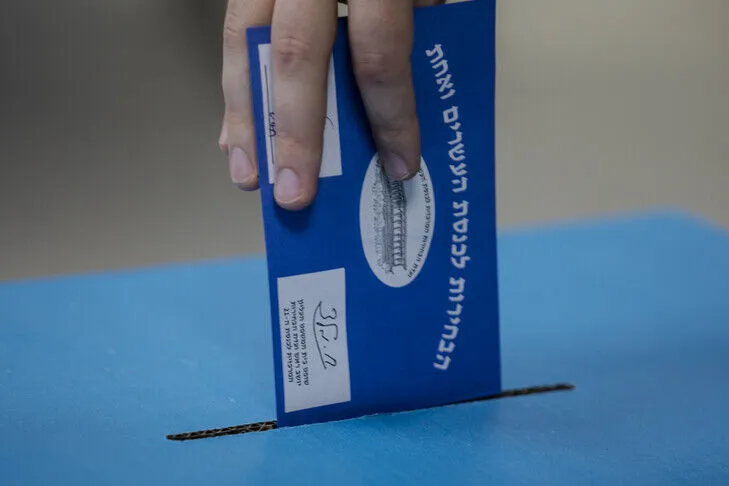
In a significant development within Israel’s political landscape, leaders from the Religious Zionism Party and the Zehut party have announced a joint list for the upcoming Knesset elections. Religious Zionism leader Bezalel Smotrich and Zehut leader Moshe Feiglin have agreed to form an alliance, marking the first such collaboration within Israel’s right-wing camp. This strategic move aims to consolidate right-wing forces and ensure that votes are not lost in the October 27 election.
In a statement shared on social media, Smotrich emphasized the importance of unity at this critical juncture. He highlighted the need to expand the national camp and prevent any right-wing voices from being wasted. Smotrich underscored the gravity of the current moment for Israel, pointing to issues such as settlement futures, judicial reforms, security, and the prevention of a Palestinian terror state as pivotal concerns.
Despite acknowledging differences between their parties, Smotrich and Feiglin agreed that the overarching goal is the victory of the national camp. They stressed that while each party would maintain its identity and path, the broader mission of unity and strength in numbers takes precedence.
This alliance comes at a time when Prime Minister Benjamin Netanyahu’s government, in power since December 2022, faces declining support. Netanyahu himself has been under scrutiny, with the International Criminal Court issuing allegations of war crimes and crimes against humanity against him since 2024. The coalition aims to present a united front in the face of these challenges.
The decision to form a technical bloc allows the parties to run together while maintaining their separate identities and political structures. This strategy is designed to surpass the electoral threshold, ensuring that votes are not dispersed. The Knesset election, set for October 27, occurs amid a backdrop of shifting public opinion, with recent polls indicating a potential decline in support for Netanyahu’s Likud party.
The move to unite forces follows a rejection by National Security Minister Itamar Ben-Gvir, leader of the far-right Jewish Power party, of Netanyahu’s call for an alliance with Smotrich’s party. This development underscores the complex dynamics within Israel’s political right, as leaders navigate alliances and electoral strategies in pursuit of their goals. As the election approaches, the alliance between Religious Zionism and Zehut represents a significant effort to consolidate support and address the pressing issues facing the nation.
Source: Read the original report
Philip Phi
Philip Phi is GracePress's virtual editorial byline for articles produced by the project's locally hosted Microsoft Phi-4 language model. He does not independently report, interview sources, or witness events. Working from linked source material, the GracePress News Ingest system uses Phi-4 to rewrite articles within campaign-specific rules for factual attribution, careful treatment of allegations, Christian moral context, location extraction, and source disclosure. Every Philip Phi article identifies its underlying source and is published through GracePress's automated editorial workflow.