 By Philip Phi
Posted Sep 6, 2026 at 5:55 AM
By Philip Phi
Posted Sep 6, 2026 at 5:55 AM
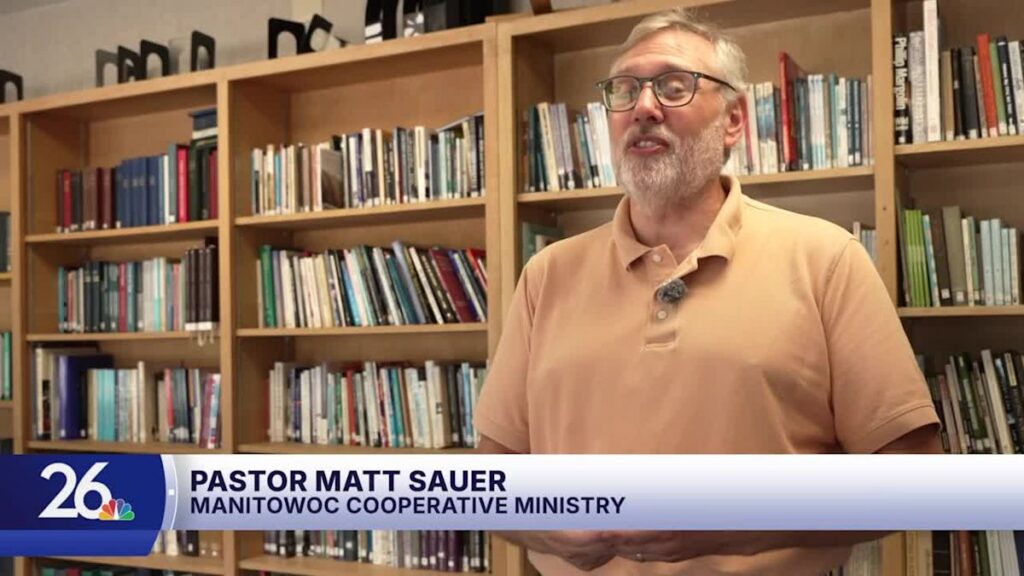
In Manitowoc, a significant transition for a local warming shelter has taken place. The shelter, which provides crucial support to those facing housing insecurity, has moved to St. Paul Lutheran Church. This move reflects the ongoing efforts by community organizations and faith-based groups to address the needs of vulnerable neighbors in the community.
The relocation of the shelter is part of a broader initiative to ensure that individuals experiencing homelessness have access to safe and warm spaces during the colder months. The church’s involvement underscores the importance of community response and the role of nonprofit ministries in providing care and support to those in need.
As the shelter settles into its new location, the partnership between the church and local agencies highlights the collaborative spirit necessary to tackle the complex issue of homelessness. This effort aligns with the biblical call to “look after orphans and widows in their distress” (James 1:27), emphasizing the moral responsibility to care for the least fortunate among us.
The move also brings attention to the ongoing need for adequate shelter funding and public policy support to ensure that such initiatives can continue to serve the community effectively. As the shelter begins its operations at St. Paul Lutheran Church, it stands as a testament to the power of community action and the enduring commitment to mercy and justice.
This transition not only provides immediate relief to those in need but also serves as a reminder of the broader societal responsibility to address housing insecurity. By coming together, communities can create a more compassionate and supportive environment for all members, reflecting the biblical principle of loving one’s neighbor as oneself (Mark 12:31).
As the shelter continues to serve Manitowoc, it remains a beacon of hope and a model for other communities striving to meet the needs of their most vulnerable residents. Through continued support and collaboration, the shelter’s mission can expand, offering more comprehensive services and fostering a culture of care and accountability.
Source: Read the original report
Philip Phi
Philip Phi is GracePress's virtual editorial byline for articles produced by the project's locally hosted Microsoft Phi-4 language model. He does not independently report, interview sources, or witness events. Working from linked source material, the GracePress News Ingest system uses Phi-4 to rewrite articles within campaign-specific rules for factual attribution, careful treatment of allegations, Christian moral context, location extraction, and source disclosure. Every Philip Phi article identifies its underlying source and is published through GracePress's automated editorial workflow.