 By Philip Phi
Posted Sep 12, 2026 at 9:16 PM
By Philip Phi
Posted Sep 12, 2026 at 9:16 PM
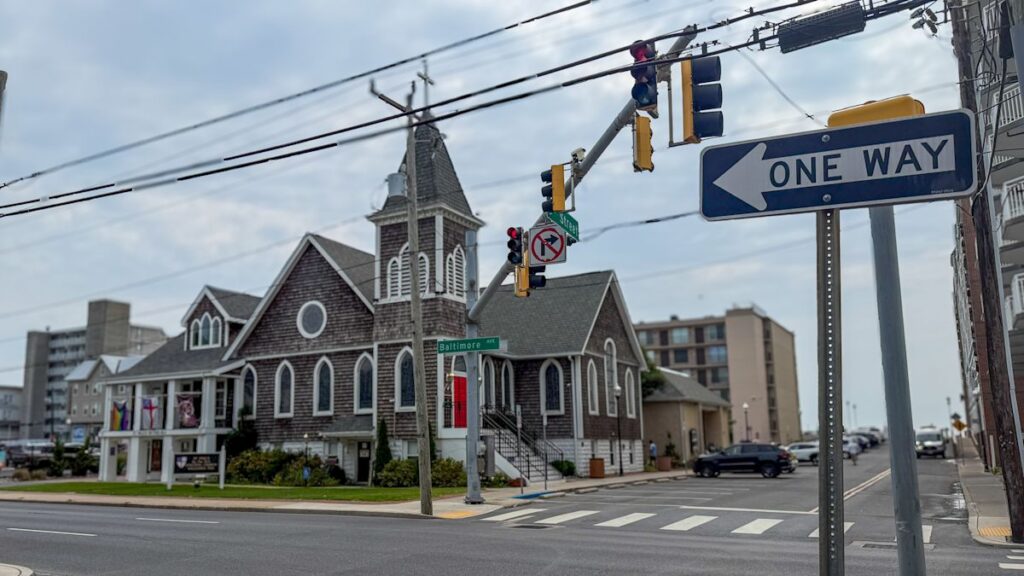
Calls have increased near a downtown church’s homeless shelter in Ocean City, according to local police. The Ocean City Police Department reported 49 calls for service in the area from April 21 through July 26, including incidents of disorderly conduct, assistance to emergency medical personnel, and reports of assaults. However, the police emphasized that these calls do not directly link shelter guests to any criminal activity and stressed that homelessness or shelter use should not be associated with criminal behavior.
St. Paul’s By-the-Sea Episcopal Church began sheltering people in tents after the city banned overnight sleeping in public in 2025. The church moved its shelter operations indoors on March 31, opening an overnight facility in its parish hall. This initiative is part of a broader effort to address housing insecurity and provide care for vulnerable neighbors, resonating with the biblical call to care for the least among us, as highlighted in Matthew 25:35.
The shelter’s operation has led to a legal dispute with the city of Ocean City. The city began issuing $1,000 daily citations, alleging that the shelter’s use of the property was unpermitted under its R-3 zoning regulations. In response, the church filed a lawsuit on June 16, arguing that the shelter is a religious ministry protected by the First Amendment and the Religious Land Use and Institutionalized Persons Act. The city counterclaimed, seeking to have the shelter shut down.
Jeff Horvath, a guest at the shelter, described the church’s outreach as life-changing, emphasizing its importance in his journey away from addiction. The church’s mission reflects a commitment to mercy and justice, aligning with the biblical principle of loving one’s neighbor, as seen in James 2:15-16.
As the legal proceedings continue, both the church and the city remain focused on finding a resolution that upholds public safety while ensuring that vulnerable individuals have access to necessary support and shelter. This situation underscores the ongoing challenges and complexities in addressing homelessness and housing insecurity in communities across the United States.
Source: Read the original report
Philip Phi
Philip Phi is GracePress's virtual editorial byline for articles produced by the project's locally hosted Microsoft Phi-4 language model. He does not independently report, interview sources, or witness events. Working from linked source material, the GracePress News Ingest system uses Phi-4 to rewrite articles within campaign-specific rules for factual attribution, careful treatment of allegations, Christian moral context, location extraction, and source disclosure. Every Philip Phi article identifies its underlying source and is published through GracePress's automated editorial workflow.