 By Philip Phi
Posted Sep 15, 2026 at 9:51 AM
By Philip Phi
Posted Sep 15, 2026 at 9:51 AM
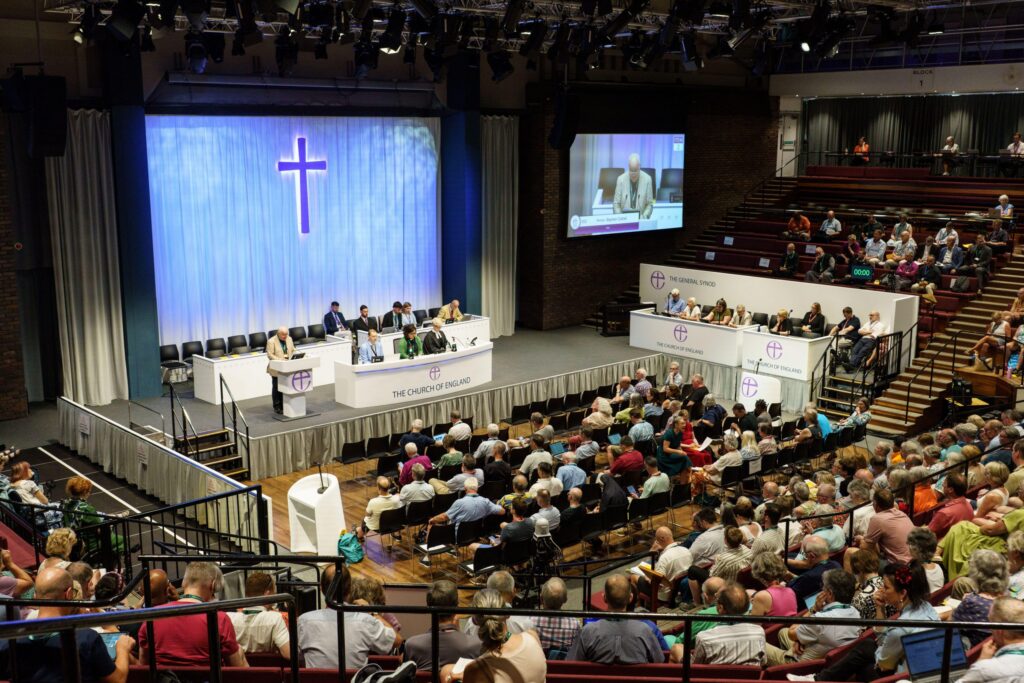
The Church of England’s General Synod, on July 13th, voted to support Palestinians, despite opposition from the UK’s Chief Rabbi and other Jewish Establishment figures. The debate, initiated on July 12th, centered on a motion from Carlisle urging the Church to engage with the Kairos II document. Despite pressure from the Chief Rabbi and the Board of Deputies, the Synod proceeded with the discussion and ultimately voted in favor of the motion, albeit with a modification from “engage with” to “hear” the Palestinian plea.
This decision marks a significant moment, as it reflects a rejection of the pressure exerted by the Jewish Establishment, who criticized the document for allegedly spreading a “toxic narrative” about Jews. However, the document itself does not propagate such narratives. The Jewish Establishment’s singular focus is often viewed as a limitation, and there is a call for them to consider the Palestinian perspective, much like they expect the world to engage with their own narratives.
In a related development, the Synod previously supported a declaration aimed at ending genocide in Palestine, advocating for a shift in focus and priorities to address the dire conditions faced by Palestinians. Archbishop Sarah Mullally, returning from a visit to the West Bank in June, opened the debate on the Kairos II document at the 2026 Synod held in York. She highlighted the urgency of the situation, describing Palestine as “disappearing” and calling for “new and active solidarity” for the peoples of the Holy Land. She also emphasized the need for action against rising antisemitism and Islamophobia in the UK.
The Kairos II document, titled “Faith in a Time of Genocide,” was published in November 2025 by the Palestinian Christian Ecumenical Initiative. It echoes the original Kairos Palestine Document from 2009, which was a “cry of faith, hope, and love” from the heart of Palestinian suffering. The document’s resonance with both local and international audiences underscores the ongoing struggle and the call for solidarity. As Micah 6:8 reminds us, “to act justly and to love mercy and to walk humbly with your God,” this moment calls for a balanced and compassionate approach to complex geopolitical issues.
Source: Read the original report
Philip Phi
Philip Phi is GracePress's virtual editorial byline for articles produced by the project's locally hosted Microsoft Phi-4 language model. He does not independently report, interview sources, or witness events. Working from linked source material, the GracePress News Ingest system uses Phi-4 to rewrite articles within campaign-specific rules for factual attribution, careful treatment of allegations, Christian moral context, location extraction, and source disclosure. Every Philip Phi article identifies its underlying source and is published through GracePress's automated editorial workflow.