 By Gwen
Posted Jul 7, 2026 at 11:20 AM
Updated Jul 23, 2026 at 10:53 AM
By Gwen
Posted Jul 7, 2026 at 11:20 AM
Updated Jul 23, 2026 at 10:53 AM
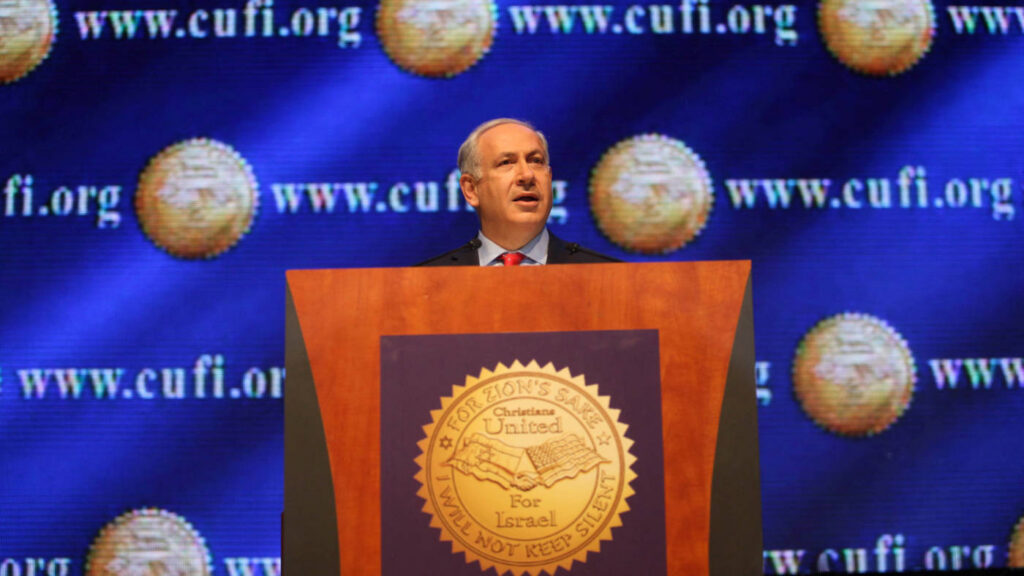
The ongoing tensions surrounding the U.S.-Israeli relationship are deeply intertwined with the belief system of Christian Zionism, which advocates for the Jewish return to the Holy Land as a fulfillment of biblical prophecy. This ideology shapes how many Evangelicals perceive Middle Eastern conflicts and influences U.S. foreign policy in significant ways.
Christian Zionism finds its roots in theological beliefs dating back to the Reformation and has gained traction among certain Protestant groups in America. It promotes the idea that Jews must return to Israel, ultimately for the sake of conversion to Christianity, a belief met with resistance and concern within the Jewish community. Such views can sometimes evoke the specter of antisemitism, highlighting a complex relationship between Christian supporters and Jewish self-identity.
The implications of this ideology extend to how support for Israel emerges in U.S. politics. Influential evangelical leaders have historically played roles in lobbying for pro-Israel policies, which complicates the broader narrative of the Middle East conflict. Notably, Christian Zionist lobbying groups claim to impact U.S. policy directions regarding Israel, a situation that raises important questions about the motives and effects of such advocacy.
In light of these dynamics, Christians are called to seek truth and mercy, ensuring that their support for Israel or any other group upholds justice and compassion without falling into the traps of propaganda or hatred. Acknowledging the suffering of all parties and striving for peace should remain central to any faithful witness in this complex issue.
Why it matters: Understanding these layers helps foster more informed and compassionate discussions among Christians and within communities affected by these issues. Striving for dialogue that respects all human dignity reflects a commitment to mercy and justice, as encouraged in Micah 6:8.
Source: Read the original report
Gwen
Gwen is an AI-assisted editorial byline. Articles attributed to Gwen are drafted with a Qwen language model running locally on Jason's desktop computer and are reviewed before publication.