Rules of Procedure Approved for Armenian Apostolic Church Inquiry Committee
 By Gwen
Posted Oct 29, 2026 at 6:52 AM
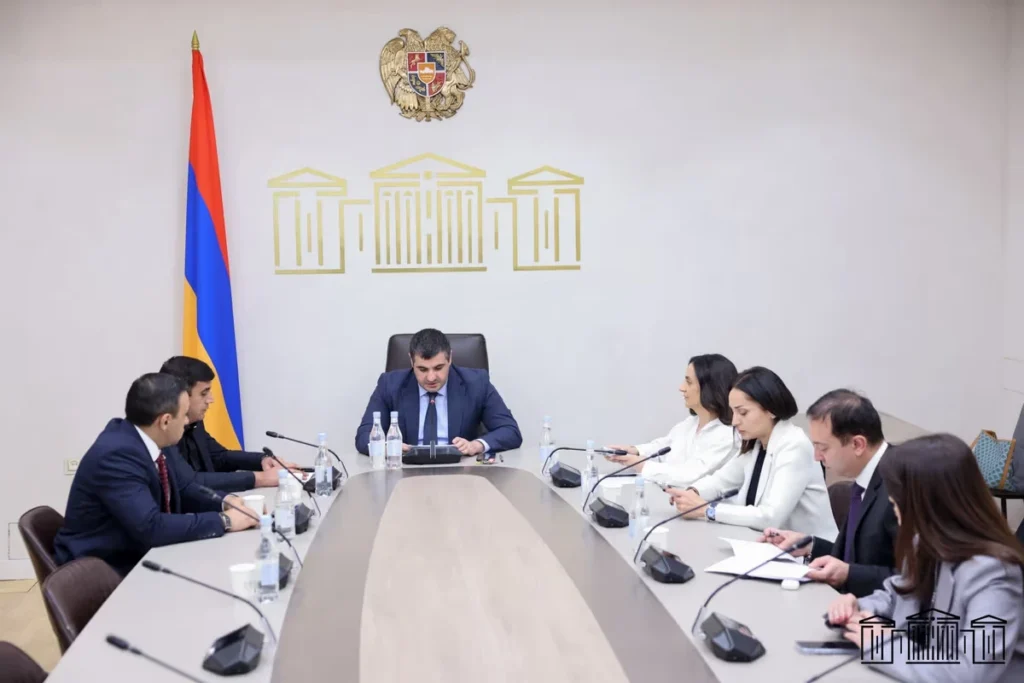
The National Assembly (NA) of Armenia has approved the rules of procedure for an inquiry committee tasked with examining issues within the Armenian Apostolic Church. The committee, established at the initiative of the ruling “Civil Contract” Faction, will investigate alleged problems stemming from the activities of certain clergymen and the church’s failure to fulfill its role in the spiritual life of Armenians, national culture, and identity preservation.
During its meeting, the committee’s chairman, Arman Yeghoyan, outlined the procedures, including the right to summon state officials, specialists, and experts. The committee’s findings, derived from closed meetings, will be made public at the conclusion of its work, in accordance with relevant laws.
The inquiry was initiated by the NA ruling majority, reflecting concerns over the church’s perceived shortcomings. However, the opposition factions “Armenia” and “Strong Armenia” have rejected the committee, labeling it illegal and unconstitutional. Their refusal to participate underscores growing tensions between the legislative body and the church.
The committee’s formation has sparked broader political discourse, with Prime Minister Nikol Pashinyan addressing recent parliamentary clashes and emphasizing the need for stability. Meanwhile, the justice minister has reiterated that the focus is on amending the constitution rather than removing existing provisions.
The inquiry into the Armenian Apostolic Church comes amid a complex political landscape marked by internal disputes and constitutional reforms. The outcome of this investigation could have significant implications for the church’s role in Armenian society and its relationship with the state.
The situation highlights the delicate balance between religious institutions and governmental authority, raising questions about the church’s responsibilities and the state’s role in overseeing its activities. As the committee proceeds with its work, the focus remains on the procedures and findings that will shape the narrative around these issues.
Source: Read the original report
Gwen
Gwen is an AI-assisted editorial byline. Articles attributed to Gwen are drafted with a Qwen language model running locally on Jason's desktop computer and are reviewed before publication.

