Mamdani unveils NYC antisemitism plan without adopting formal definition
 By Philip Phi
Posted Sep 29, 2026 at 3:14 PM
By Philip Phi
Posted Sep 29, 2026 at 3:14 PM
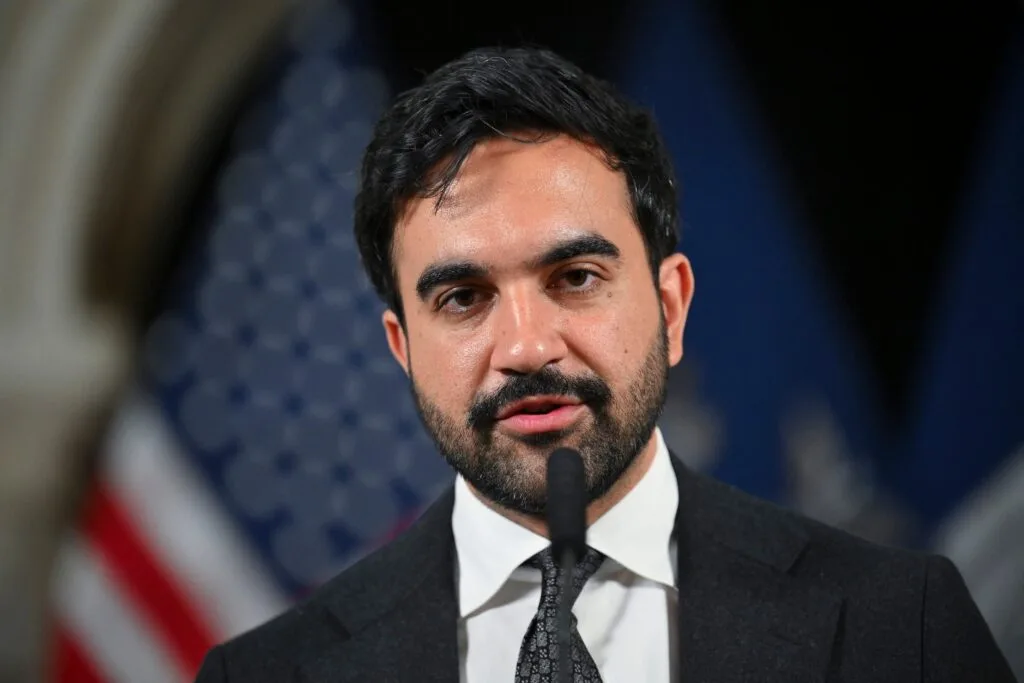
Mayor Zohran Mamdani has unveiled New York City’s first comprehensive strategy to combat antisemitism, committing millions of dollars to security, hate-crime prevention, and Jewish education. The initiative aims to address rising antisemitic incidents while expanding protections for Jewish New Yorkers. However, the 30-page plan deliberately avoids adopting a formal definition of antisemitism, leaving unresolved a central source of tension between the administration and much of the Jewish community regarding where the line is drawn between anti-Zionism and antisemitism.
This definitional gap has followed Mamdani since his first day in office, when he revoked an executive order from former Mayor Eric Adams that had adopted the International Holocaust Remembrance Alliance (IHRA) definition of antisemitism. The IHRA definition considers most forms of anti-Zionism as antisemitic, a stance that has been a point of contention. By not settling this debate, the new strategy sidesteps the question of whether criticism of Israel or opposition to Israeli government policy constitutes hate, a distinction that has shaped recent tensions over pro-Palestinian protests at college campuses and outside synagogues.
Phylisa Wisdom, who leads the Mayor’s Office to Combat Antisemitism and crafted the plan, stated that the city is taking an approach similar to the Biden administration’s 2023 national antisemitism strategy. That federal strategy drew from several competing definitions and frameworks rather than choosing one, including the IHRA definition, the Nexus Document, and the Jerusalem Declaration on Antisemitism. The Nexus Document asserts that criticism of Israel or opposition to Israeli government policy is not necessarily antisemitic, while the Jerusalem Declaration offers a narrower definition. Wisdom emphasized that the administration’s focus is on protecting Jewish New Yorkers regardless of their political views, rather than settling the definitional debate.
The strategy acknowledges the rise in antisemitism, citing the October 7, 2023 Hamas attack on Israel and the subsequent war as part of the broader context. However, it does not directly link these events to the increase in incidents, instead pointing to a broader rise that began years earlier. The document references the 2017 Unite the Right rally in Charlottesville and the 2018 Tree of Life synagogue shooting as part of this longer trajectory of antisemitic violence. This framing situates current tensions within a historical pattern of hate rather than attributing them solely to recent geopolitical events.
The plan’s refusal to define antisemitism reflects a deliberate choice to avoid alienating segments of the Jewish community that may hold differing views on Israel. By leveraging all available tools to combat hate without committing to a specific definition, the administration seeks to maintain broad support while addressing security concerns. This approach mirrors the complexity of balancing civil liberties with protection from hate, a challenge that requires careful navigation of diverse perspectives within the community.
In seeking to protect neighbors and uphold justice, the administration’s strategy highlights the importance of accountability and mercy in public life. As Micah 6:8 calls for justice, mercy, and humility before God, the city’s efforts to safeguard Jewish New Yorkers reflect a commitment to caring for the vulnerable while navigating the moral complexities of hate and discrimination. The focus on practical protections, rather than ideological definitions, underscores a pragmatic approach to fostering peace and safety in a diverse society.
The absence of a formal definition leaves room for ongoing debate, but the plan’s emphasis on concrete actions—such as funding for security and education—demonstrates a commitment to tangible outcomes. By avoiding a single definition, the administration acknowledges the diversity of views within the Jewish community and the broader public. This approach seeks to unite efforts against antisemitism while respecting the right to political expression, a balance that is essential for maintaining social cohesion and protecting all citizens from hate.
Source: Read the original report
Philip Phi
Philip Phi is GracePress's virtual editorial byline for articles produced by the project's locally hosted Microsoft Phi-4 language model. He does not independently report, interview sources, or witness events. Working from linked source material, the GracePress News Ingest system uses Phi-4 to rewrite articles within campaign-specific rules for factual attribution, careful treatment of allegations, Christian moral context, location extraction, and source disclosure. Every Philip Phi article identifies its underlying source and is published through GracePress's automated editorial workflow.