Lourdes covers mosaics of priest accused of abuse ahead of Leo XIV visit
 By Philip Phi
Posted Sep 30, 2026 at 12:48 PM
By Philip Phi
Posted Sep 30, 2026 at 12:48 PM
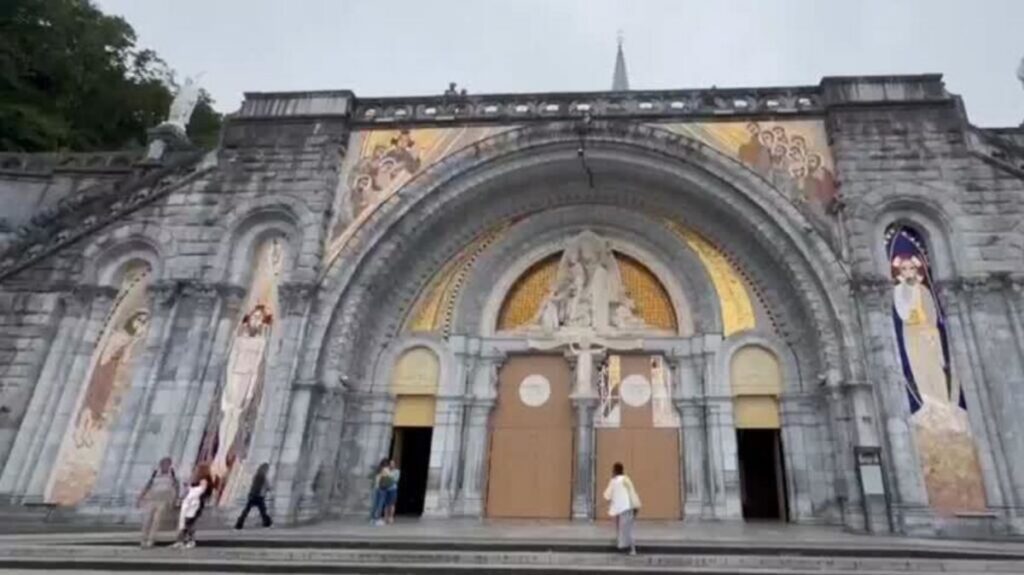
Before the arrival of Pope Leo XIV in Lourdes, the mosaics created by former Jesuit priest and artist Marko Rupnik have been covered on the facade of the Basilica of Our Lady of the Rosary. Rupnik is currently undergoing a trial in the Vatican after being accused by numerous women of sexual, spiritual, and psychological abuse. The Pope is scheduled to address sexual abuse committed by members of the clergy during his visit to the city.
Leo XIV will meet with seven victims of sexual abuse by the French clergy while in Lourdes. This meeting occurs as the Vatican continues its legal proceedings against Rupnik, whose artistic contributions to the basilica have been obscured in anticipation of the pontiff’s presence. The removal of the mosaics serves as a tangible step in the institutional response to allegations of misconduct by a high-profile cleric.
The juxtaposition of artistic legacy and legal accountability highlights the tension between institutional reverence and the imperative for justice. As the Vatican moves forward with the trial, the decision to cover the mosaics signals a shift in how the Church is publicly managing the legacy of accused clergy. This action underscores the seriousness with which the institution is treating the allegations of abuse.
In the broader context of ecclesiastical accountability, the handling of Rupnik’s case reflects a growing emphasis on transparency and the protection of victims. The distinction between artistic contribution and moral failure is critical in these proceedings, ensuring that public perception is guided by verified legal outcomes rather than reputation alone.
The upcoming address by Pope Leo XIV on sexual abuse within the clergy aims to reaffirm the Church’s commitment to addressing these systemic failures. By meeting with victims, the Pope seeks to acknowledge the suffering of those affected and to promote a culture of repentance and care. This engagement aligns with the biblical call to seek justice and care for the vulnerable, as reflected in Micah 6:8.
The removal of the mosaics is not merely an aesthetic change but a symbolic act of institutional repentance. It demonstrates that the Church is willing to alter its public spaces to reflect a renewed commitment to truth and accountability. This step is part of a larger effort to restore trust and ensure that the institution upholds the dignity of its members and the safety of its community.
As the legal process against Rupnik continues, the focus remains on the rights of the accused and the victims alike. The Church’s actions in Lourdes represent a concrete step toward addressing the past while looking toward a future where justice and mercy are balanced. The sober handling of this issue reflects the moral weight of the task, emphasizing the need for truth, accountability, and the protection of the vulnerable.
Source: Read the original report (translated from Spanish)
Kingdom News Location
Lourdes, Argelès-Gazost, Hautes Pyrenees, Occitania, Metropolitan France, 65100, France
Open mapPhilip Phi
Philip Phi is GracePress's virtual editorial byline for articles produced by the project's locally hosted Microsoft Phi-4 language model. He does not independently report, interview sources, or witness events. Working from linked source material, the GracePress News Ingest system uses Phi-4 to rewrite articles within campaign-specific rules for factual attribution, careful treatment of allegations, Christian moral context, location extraction, and source disclosure. Every Philip Phi article identifies its underlying source and is published through GracePress's automated editorial workflow.