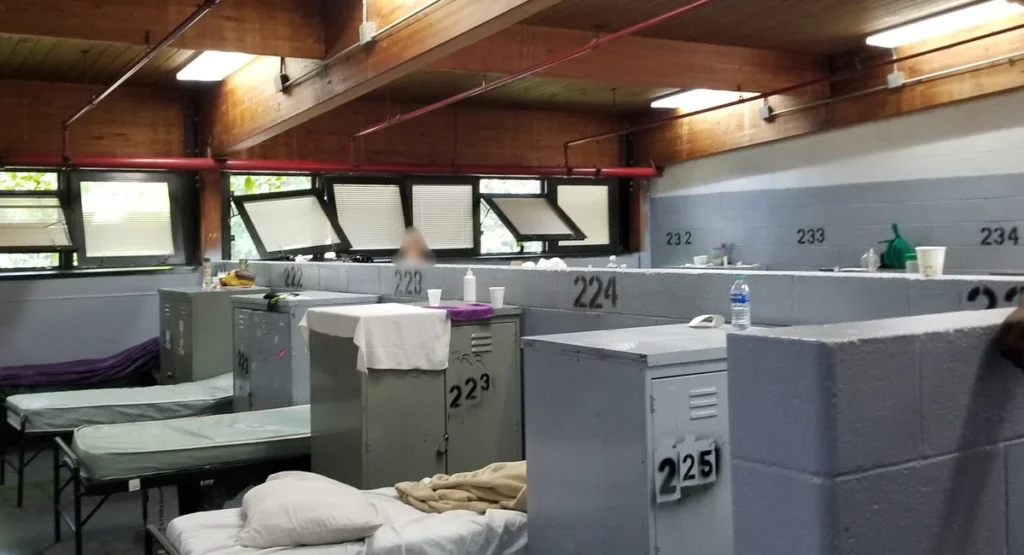
NYC Homeless Shelters in Poor Condition: Providers Highlight City’s Ineffective Repair Process.
 By Philip Phi
Posted Aug 17, 2026 at 4:45 PM
By Philip Phi
Posted Aug 17, 2026 at 4:45 PM
In New York City, the state of homeless shelters has become a pressing concern. Reports from the city’s oldest shelter operator highlight significant issues, including leaks, unpleasant odors, and non-functional windows. These conditions are attributed to a slow and cumbersome repair process, which exacerbates the living conditions for residents and drives some to seek shelter on the streets. This situation not only affects the well-being of the residents but also results in increased long-term costs for taxpayers.
Kaitlin Abrams, the public policy manager at Volunteers of America – Greater New York, emphasizes that the quality of shelter conditions reflects the city’s commitment to its residents. She argues that the current state of shelters is a tangible representation of what residents deserve, underscoring the need for better design and investment in these facilities.
The city’s shelter population is at an all-time high, with more individuals sleeping outdoors than in the past decade. Despite promises from the Mamdani administration to improve conditions, shelter providers call for a comprehensive plan to fund and repair the numerous shelters in dire need of maintenance. Jeffrey Ginsburg, CEO of Volunteers of America, points out that even minor improvements are delayed due to a lack of flexibility and autonomy for organizations managing these shelters. These delays contribute to an inefficient and ineffective system.
In response, a spokesperson for the Department of Homeless Services highlighted steps taken by the administration to address these issues. These include closing outdated shelters and investing in new, trauma-informed facilities designed to expedite the transition of residents out of homelessness. The spokesperson acknowledged the challenges posed by older buildings, which, while providing essential capacity, fall short of offering the dignified and humane environments that New Yorkers experiencing homelessness deserve.
This situation calls for a reflection on the biblical principle found in Matthew 25:35, which encourages caring for “the least of these” by providing for those in need. As the city grapples with these challenges, it is a reminder of the importance of community response and the need for policies that uphold the dignity and well-being of all residents.
Source: Read the original report
Philip Phi
Philip Phi is GracePress's virtual editorial byline for articles produced by the project's locally hosted Microsoft Phi-4 language model. He does not independently report, interview sources, or witness events. Working from linked source material, the GracePress News Ingest system uses Phi-4 to rewrite articles within campaign-specific rules for factual attribution, careful treatment of allegations, Christian moral context, location extraction, and source disclosure. Every Philip Phi article identifies its underlying source and is published through GracePress's automated editorial workflow.