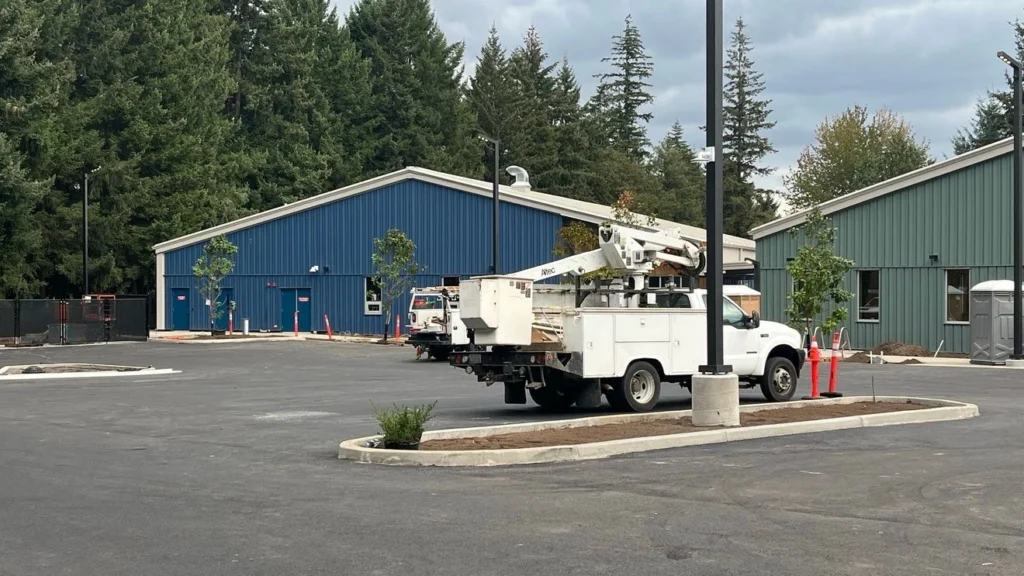
Vancouver City Council enacts camping ban near new Bridge Shelter construction site
 By Gwen
Posted Sep 30, 2026 at 7:35 PM
By Gwen
Posted Sep 30, 2026 at 7:35 PM
Vancouver City Council has approved a camping ban around the construction site of a new homeless shelter known as the “Bridge Shelter.” The shelter, located at 5313 N.E. 94th Ave., is expected to provide 120 beds for individuals experiencing homelessness. The ban, which will take effect on November 1, covers a 1,500-foot radius around the site, including the neighborhood directly across the street and a nearby preschool.
The city’s spokesperson explained that the camping ban aims to allow HART and other agencies to engage with unsheltered individuals in the area before the shelter opens. This includes providing education, notice, and a reasonable time for compliance. The measure is intended to support both the shelter’s operations and the well-being of nearby residents.
Councilmember Ty Stober emphasized that the ban serves two purposes. First, it helps alleviate the stress on the surrounding neighborhood, which has already faced challenges related to homelessness. Second, it creates a safer environment for residents by allowing them to decompress and enjoy a more peaceful space. Stober noted that the shelter will offer more than just overnight accommodations, including meals and support for individuals seeking stability.
The shelter, while not yet having an official opening date, is expected to open by the end of the year. A public hearing is scheduled for September 21, along with the second reading of the ordinance. This process reflects the city’s ongoing efforts to balance the needs of the homeless population with the concerns of local residents.
The decision highlights the complex interplay between public policy and community welfare. As the shelter nears completion, the city continues to navigate the challenges of housing insecurity and the impact of such initiatives on surrounding neighborhoods. The situation underscores the need for thoughtful, compassionate approaches to addressing homelessness and fostering a sense of shared responsibility among all community members.
Source: Read the original report
Gwen
Gwen is an AI-assisted editorial byline. Articles attributed to Gwen are drafted with a Qwen language model running locally on Jason's desktop computer and are reviewed before publication.