Cuba’s Power Grid Collapses as Residents Face Blackouts of Up to 23 Hours Daily
 By Philip Phi
Posted Sep 30, 2026 at 3:38 PM
By Philip Phi
Posted Sep 30, 2026 at 3:38 PM
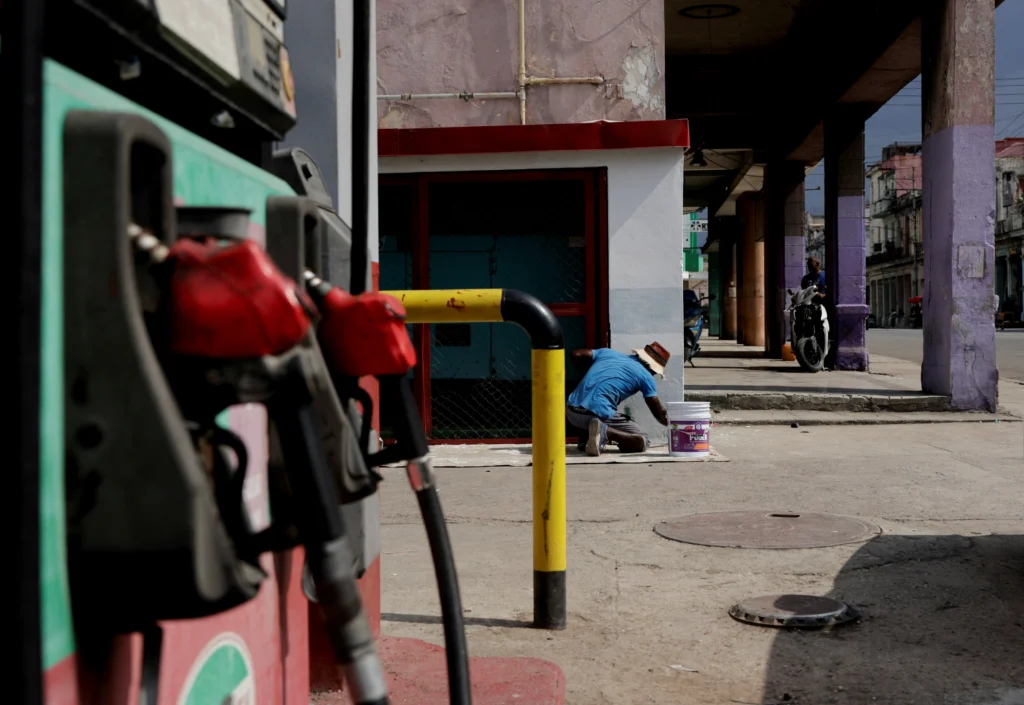
Cuba’s energy infrastructure has deteriorated to the point where millions of residents experience blackouts lasting up to 23 hours a day. This prolonged lack of electricity forces communities to adapt their daily routines to the irregular return of power, often waking in the middle of the night to perform essential tasks such as cooking, washing, and contacting family members. The crisis is not a new phenomenon, but rather the result of an outdated power grid and years of insufficient investment and maintenance, which have led to repeated collapses of the national system.
In response to the communication challenges posed by the blackouts, residents in many parts of the island have constructed home cell towers. These antennas have become a common sight in the landscape, allowing individuals to attach their mobile phones to maintain reception and stay connected with the outside world, particularly in areas where network connectivity is otherwise difficult. These makeshift solutions highlight the adaptive measures citizens are taking to preserve basic social and economic links despite the systemic failure of public utilities.
The energy shortage also impacts local businesses, forcing them to revert to pre-industrial methods of production. On a small farm on the outskirts of Vinelas, the family of Osnell Corrales continues to produce dairy products despite the limited use of their industrial generator due to fuel shortages. Corrales explained to CNN that the family pasteurizes milk by heating it on coals, stating, “You can’t stop milking the cows.” This approach allows them to continue producing cheese and yogurt even when fresh milk cannot be sold, demonstrating a reliance on manual labor and traditional techniques to sustain livelihoods.
The physical toll of the energy crisis is evident in how residents manage extreme heat. Without access to air conditioners or fans, some residents choose to sleep outside on rooftops or in yards to find relief from the temperature. These adjustments to daily life underscore the severity of the infrastructure failure, which has turned basic comfort into a challenge for many. The situation reflects a broader struggle where the absence of reliable power affects not only economic activity but also the fundamental quality of life and safety for vulnerable populations.
The electricity crisis is deeply intertwined with a wider economic downturn affecting the nation. Approximately 40% of Cuba’s residents now live in extreme poverty, making it difficult for many to purchase basic products. The tourism industry, a key source of income for the island, has also suffered a significant decline. In the first five months of 2026, only about 360,000 tourists arrived in Cuba, representing a drop of nearly 60% compared to the same period in the previous year. This economic contraction compounds the hardships faced by those already struggling with daily survival needs.
The persistent nature of these outages highlights the urgent need for structural reform and investment in public infrastructure. As the grid continues to collapse, the burden of adaptation falls on individual households and small businesses, who must innovate in the absence of reliable state support. The situation serves as a reminder of the critical importance of maintaining essential utilities for the well-being of communities, and the profound impact that systemic neglect can have on the daily lives of ordinary people.
Source: Read the original report (translated from Hebrew)
Philip Phi
Philip Phi is GracePress's virtual editorial byline for articles produced by the project's locally hosted Microsoft Phi-4 language model. He does not independently report, interview sources, or witness events. Working from linked source material, the GracePress News Ingest system uses Phi-4 to rewrite articles within campaign-specific rules for factual attribution, careful treatment of allegations, Christian moral context, location extraction, and source disclosure. Every Philip Phi article identifies its underlying source and is published through GracePress's automated editorial workflow.