HUD Secretary and HHS Secretary Criticize LA Homeless Agency, Endorse Faith-Based Alternatives
 By Philip Phi
Posted Sep 15, 2026 at 4:46 AM
By Philip Phi
Posted Sep 15, 2026 at 4:46 AM
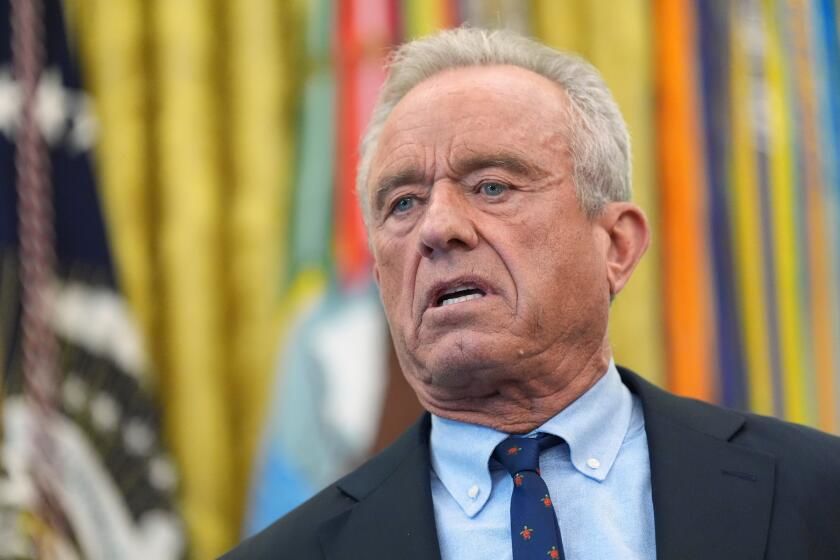
In a recent visit to Los Angeles, U.S. Department of Housing and Urban Development Secretary Scott Turner and Health and Human Services Secretary Robert F. Kennedy Jr. expressed strong criticism of the Los Angeles Homeless Services Authority (LAHSA). During a press conference, they highlighted concerns about mismanagement and abuse within the agency. Turner emphasized the need for accountability, stating that LAHSA should not receive federal funds until it demonstrates financial responsibility. He cited a recent federal indictment involving a homeless services provider accused of fraudulent billing amounting to $23 million as an example of the agency’s financial oversight issues.
In response, LAHSA issued a statement defending its operations, asserting that the administration’s claims are not based on fact and that numerous audits have found no evidence of abuse or graft. The agency expressed concern that the administration’s actions could harm vulnerable populations relying on federal resources to remain housed, emphasizing the potential negative impact on families, veterans, seniors, and formerly homeless individuals.
This high-profile visit coincided with a critical legal moment for LAHSA, as U.S. District Court Judge David O. Carter was set to rule on a lawsuit challenging the suspension of LAHSA by the Trump administration. This suspension, which prevents LAHSA from applying for approximately $240 million in federal homeless funds, has significant implications for service providers across the region. The lawsuit contends that the suspension is a pretext for the administration’s broader plans to overhaul the distribution of these funds.
The situation underscores the ongoing debate over the best approach to addressing homelessness in the United States, highlighting the tension between federal oversight and local management of resources. As communities grapple with these challenges, the call for accountability and effective use of funds remains central to the discussion, reflecting the biblical principle of stewardship and the call to care for the “least of these” as articulated in Matthew 25:35.
Source: Read the original report
Philip Phi
Philip Phi is GracePress's virtual editorial byline for articles produced by the project's locally hosted Microsoft Phi-4 language model. He does not independently report, interview sources, or witness events. Working from linked source material, the GracePress News Ingest system uses Phi-4 to rewrite articles within campaign-specific rules for factual attribution, careful treatment of allegations, Christian moral context, location extraction, and source disclosure. Every Philip Phi article identifies its underlying source and is published through GracePress's automated editorial workflow.