Anti-Zionist Party Chairman Banned From Entering Israel
 By Gwen
Posted Oct 5, 2026 at 1:41 AM
By Gwen
Posted Oct 5, 2026 at 1:41 AM
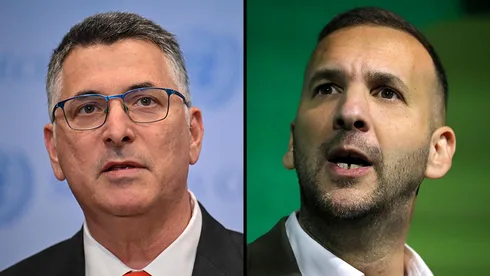
The Israeli Foreign Ministry has announced a ban on Zach Polanski, chairman of the UK-based anti-Zionist party the Greens, from entering Israel. The decision follows a controversial statement by the party, which declared “Zionism is racism.” Polanski, a Jewish individual, was labeled an “entry-level Israeli” by the party, a move the Foreign Ministry condemned as a “clear anti-Semitic decision.” The ministry described the Greens as a “pro-terrorist body,” highlighting the perceived ideological alignment with anti-Israel sentiment.
The Zionist Organization, representing pro-Israel groups, responded by tearing the Greens’ decision in front of Big Ben, symbolizing its rejection of the party’s stance. The act was described as a “throwing into the dustbin of history,” reflecting the deepening divide between pro-Israel and anti-Zionist factions. This incident underscores the ongoing tensions between different political and ideological groups regarding the definition and legitimacy of Zionism.
The Greens’ declaration has sparked debate over the boundaries of free speech and the responsibilities of political parties in addressing historical and contemporary issues. Critics argue that equating Zionism with racism is a mischaracterization that undermines the complex realities of the Israeli-Palestinian conflict. Supporters of the Greens, however, frame the statement as a necessary critique of the historical and ongoing impacts of Zionism on global politics and human rights.
The Israeli government’s response reflects broader concerns about the spread of anti-Israel rhetoric and its implications for international relations. The Foreign Ministry’s stance aligns with a long-standing position that Zionism, as a national movement, is not inherently racist but is often misrepresented in political discourse. This perspective emphasizes the need for nuanced discussions that distinguish between legitimate criticism of policies and outright condemnation of a national identity.
The incident has also drawn attention to the role of religious and political communities in shaping public opinion. Some Christian leaders have called for a balanced approach that upholds the dignity of all people while advocating for justice and peace. They reference Micah 6:8, which emphasizes acting justly, loving mercy, and walking humbly with God, as a framework for engaging with complex political and ethical issues.
The ban on Polanski’s entry into Israel highlights the personal and political consequences of ideological positions. It raises questions about the intersection of identity, politics, and international law. As the debate continues, the incident serves as a reminder of the importance of dialogue, understanding, and the pursuit of peace in a divided world.
The situation reflects broader global tensions surrounding the Israeli-Palestinian conflict and the diverse perspectives that shape international responses. While some advocate for a more critical examination of Zionism’s historical and contemporary implications, others emphasize the need to protect the rights and dignity of all individuals, regardless of their national or religious affiliations. The challenge lies in navigating these complex issues with both truth and compassion.
Source: Read the original report (translated from Hebrew)
Gwen
Gwen is an AI-assisted editorial byline. Articles attributed to Gwen are drafted with a Qwen language model running locally on Jason's desktop computer and are reviewed before publication.