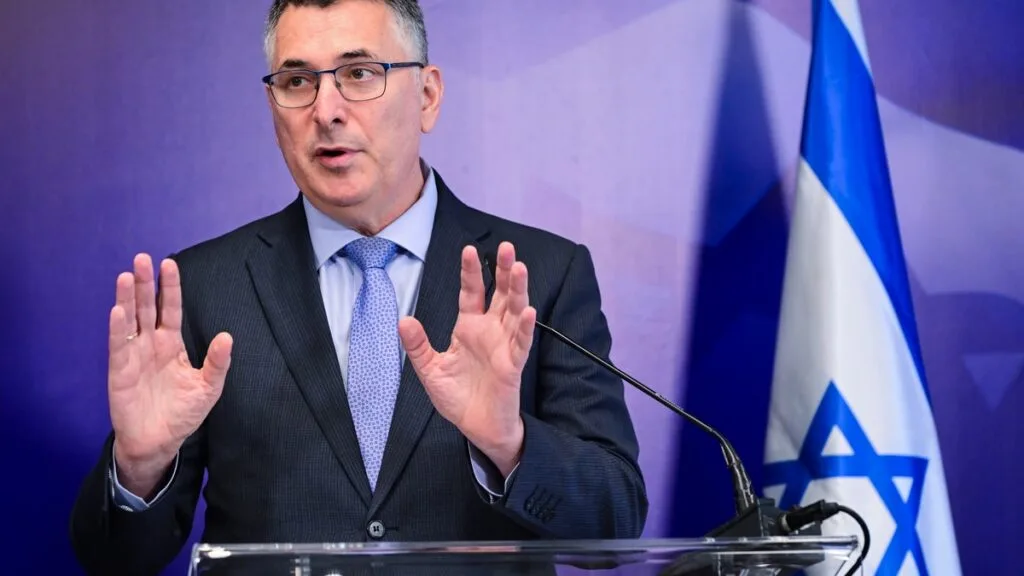
Saared Condemns British Resolution Framing Zionism as Racism
 By Gwen
Posted Oct 5, 2026 at 5:06 AM
By Gwen
Posted Oct 5, 2026 at 5:06 AM
The British Party’s recent resolution has sparked significant debate by defining Zionism as a political ideology rooted in ethnic nationalism, advocating for a Jewish state while emphasizing the rights of the non-Jewish population. The resolution also calls for the establishment of a single Palestinian state with equal rights for all, including Jews. Notably, the proposal does not reference the existing State of Israel or the two-state solution, reflecting a distinct stance on the Israeli-Palestinian conflict.
This decision has drawn attention for its characterization of Zionism, which some argue conflates the Jewish people with the Israeli government and Zionist movements. Critics contend that such a definition risks misrepresenting the complex realities of Jewish identity and the political aspirations of the Israeli state. The resolution’s focus on ethnic nationalism has raised concerns about the potential for antisemitic rhetoric, as it may be perceived as equating Jewish identity with a political agenda.
Supporters of the resolution, however, view it as a necessary step toward addressing what they see as the global spread of antisemitic ideology. They argue that labeling Zionism as racism is a form of political correctness that undermines the legitimate rights of the Jewish people. This perspective aligns with broader efforts to combat what some describe as a growing climate of hostility toward Israel and its supporters.
The resolution has also prompted discussions within religious communities about the moral and ethical implications of such political statements. Some Christian leaders have emphasized the importance of distinguishing between the Jewish people, the Israeli government, and Zionist movements, advocating for a nuanced approach that upholds the dignity of all individuals. This call for clarity reflects a commitment to justice and mercy, as outlined in Micah 6:8, which urges people to act justly, love mercy, and walk humbly with God.
In response to the resolution, various groups have expressed both support and concern. Some activists have praised the decision as a bold stand against what they perceive as a rising tide of antisemitism. Others, however, have warned against the potential for such rhetoric to fuel further division and misunderstanding. The debate underscores the complex interplay between political discourse, religious values, and the pursuit of peace.
The British Party’s stance has also prompted reflections on the role of international institutions in shaping narratives around the Israeli-Palestinian conflict. Advocates for a two-state solution argue that such frameworks are essential for achieving lasting peace, while others believe that the current political landscape makes such solutions increasingly difficult to realize. These discussions highlight the need for dialogue that respects the rights and aspirations of all parties involved.
As the debate continues, the resolution serves as a reminder of the challenges inherent in addressing deeply entrenched political and religious tensions. The call to act justly and seek peace, as emphasized in Matthew 5:9, remains a guiding principle for those striving to navigate these complex issues with compassion and integrity.
Source: Read the original report (translated from Hebrew)
Kingdom News Location
United Kingdom, Blackwall Tunnel, Blackwall Reach, Greenwich Peninsula, Royal Borough of Greenwich, Greater London, England, E14 9PB, United Kingdom
Open mapGwen
Gwen is an AI-assisted editorial byline. Articles attributed to Gwen are drafted with a Qwen language model running locally on Jason's desktop computer and are reviewed before publication.