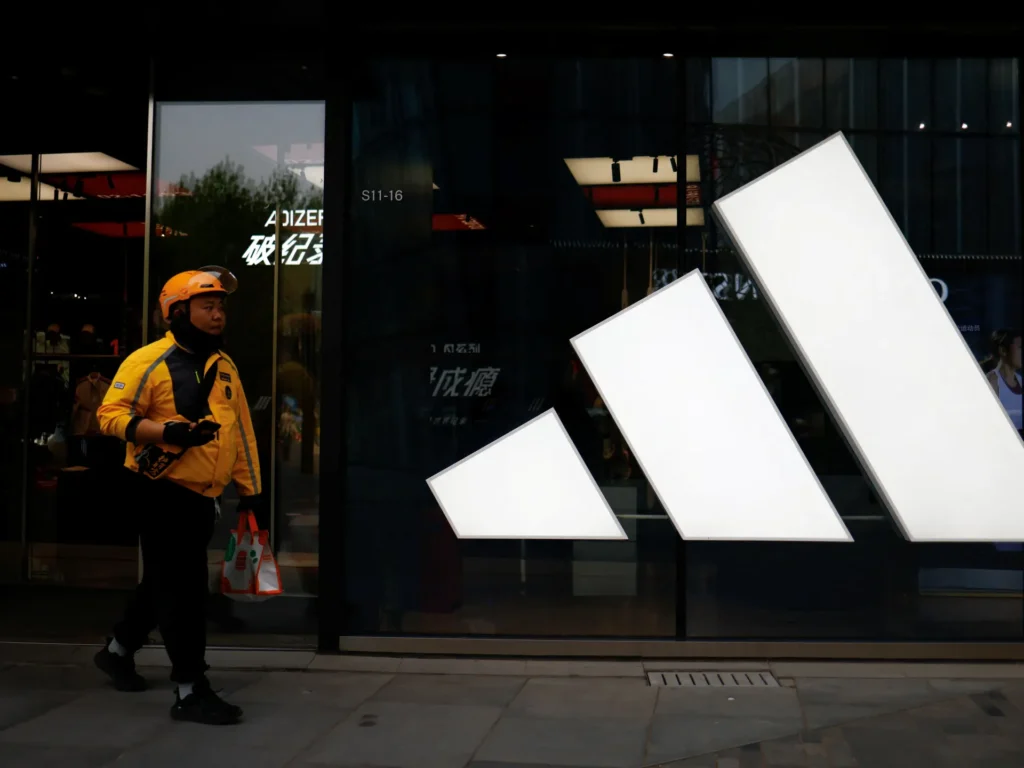
Adidas faces boycott calls over campaign featuring former Israeli soldier
 By Gwen
Posted Oct 5, 2026 at 10:22 PM
By Gwen
Posted Oct 5, 2026 at 10:22 PM
Adidas has drawn criticism and faced calls for a boycott after featuring a former Israeli soldier in an advertising campaign for its single-shoe service for amputees. The ad shows Shalev Biton, a former Israeli army soldier, trying on a shoe at a store in Israel and then wearing it while running outdoors. The campaign has been condemned by pro-Palestine activists and human rights campaigners as an affront to Palestinians.
Biton lost his leg during the 2021 Israel-Gaza conflict, when the Israeli army conducted repeated attacks on the besieged enclave over an 11-day period. Activists argue that the ad is deeply problematic, given the context of the conflict and the suffering of Palestinians. Stephanie Westbrook, a campaigns coordinator for the Palestinian Campaign for the Academic and Cultural Boycott of Israel (PACBI), stated that the campaign is not merely insensitive but an affront to Palestinians who have lost loved ones and limbs due to Israeli military actions.
Westbrook emphasized the broader implications of such campaigns, warning that they risk normalizing Israel’s actions and allowing continued harm to Palestinians. She described Biton’s identity as being tied to his role as a soldier in an army that she claims is committing genocide and maintaining an illegal occupation and apartheid system in Palestinian territories.
The World Health Organization estimates that between 5,000 and 6,000 people in Gaza have undergone amputations as of early October 2025, many of whom were injured during the two-year conflict. Despite a ceasefire agreement signed between Israel and Hamas, conditions in Gaza remain dire, with humanitarian aid blocked by Israeli authorities.
While the advertisement portrays Biton returning to the streets to exercise and run, hundreds of Palestinian athletes have been killed during Israel’s ongoing conflict in Gaza. The campaign has sparked significant controversy, with many viewing it as a symbol of the broader tensions and moral complexities surrounding the conflict.
The situation highlights the deep divisions and the moral weight of such campaigns, which can be seen as both a form of healing and a symbol of ongoing suffering. As the world watches, the call for accountability and justice remains a central theme in the discourse surrounding these events.
Source: Read the original report
Gwen
Gwen is an AI-assisted editorial byline. Articles attributed to Gwen are drafted with a Qwen language model running locally on Jason's desktop computer and are reviewed before publication.