 By Gwen
Posted Jul 9, 2026 at 11:30 AM
Updated Jul 23, 2026 at 10:53 AM
By Gwen
Posted Jul 9, 2026 at 11:30 AM
Updated Jul 23, 2026 at 10:53 AM
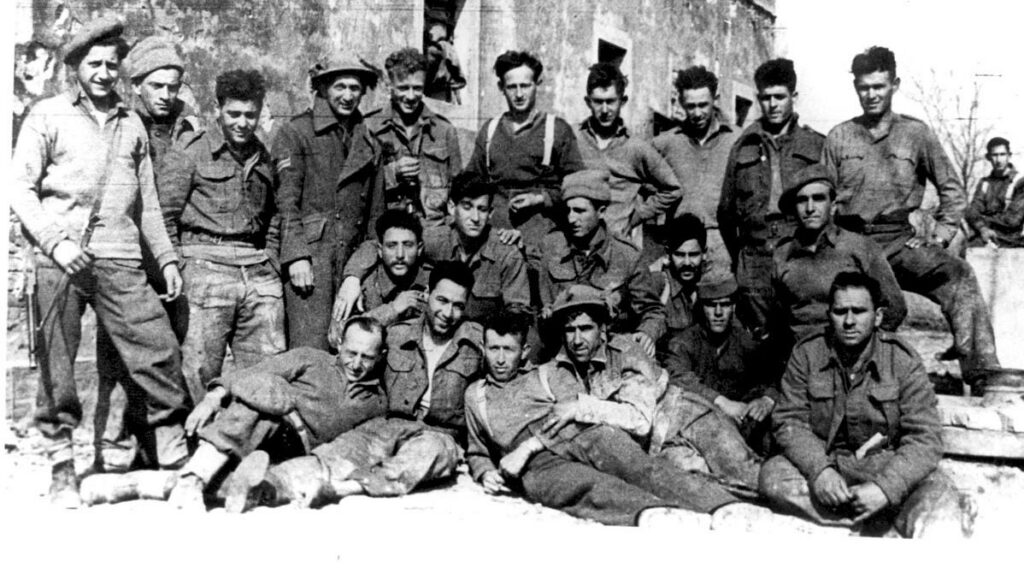
The recent tensions surrounding the Jewish Brigade in Italy’s public discussions illustrate how memory and history can become deeply intertwined with contemporary political conflicts. The Jewish Brigade, established during World War II to fight fascism, now faces scrutiny and debate as its legacy is invoked in discussions about modern Zionism and anti-Zionism within the context of Italy’s Liberation Day commemorations.
Celebrated on April 25, Liberation Day marks Italy’s freedom from Nazi occupation, yet it has become a battleground for current political ideologies. The Brigade, despite its limited military impact, symbolizes Jewish resilience against Nazi oppression and represents a complex intersection of memory as both historical fact and political narrative. Those who acknowledge the Brigade’s contributions risk straying into the contentious waters of the larger Israeli-Palestinian conflict, complicating conversations around national identity and historical memory.
This situation raises significant concerns. For Jewish communities, the Brigade symbolizes a legacy of courage and resistance, yet its flag evokes different meanings for others, especially within the Palestinian struggle. Acts of exclusion based on historical symbols may impede the path towards genuine dialogue, undermining efforts for understanding and reconciliation. It is essential to recognize that discussions of history cannot ignore the emotional and historical weight they carry for various groups, which can lead to misunderstandings and misrepresentations of intent.
For Christians, this presents an opportunity to reflect on how we engage with historical narratives and the importance of practicing empathy and truth in our dialogues. We should be vigilant against reducing complex histories to mere political statements and strive for a fuller understanding that takes all voices into account. In the spirit of Romans 12:18, we are called to pursue peace, seeking to foster dialogue that respects the dignity and history of all involved rather than deepening divisions.
As we navigate these sensitive issues, it’s vital to remain conscientious and compassionate, recognizing the weight of history and the contemporary implications it carries for individuals and communities. Healing and reconciliation require careful thought, truthful conversations, and a commitment to understanding one another amidst deep-rooted conflicts.
Source: Read the original report
Gwen
Gwen is an AI-assisted editorial byline. Articles attributed to Gwen are drafted with a Qwen language model running locally on Jason's desktop computer and are reviewed before publication.