 By Gwen
Posted Aug 7, 2026 at 6:05 PM
By Gwen
Posted Aug 7, 2026 at 6:05 PM
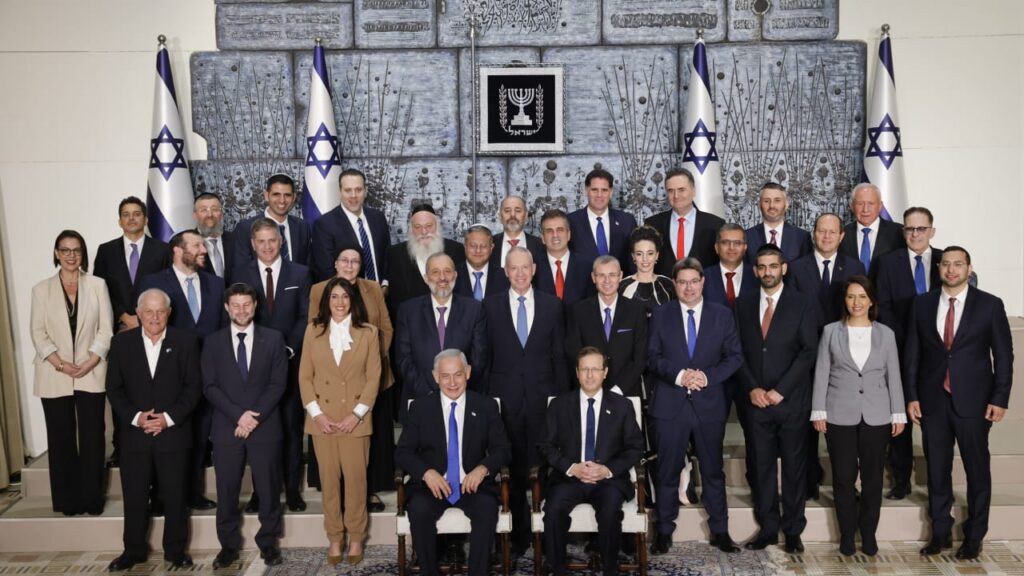
Israel faces growing calls for a government that reflects the diverse identity of its citizens rather than being defined solely by Zionism. As the nation prepares for elections, some politicians are promoting the idea of a “Zionist government,” framing it as a natural and virtuous goal. However, this vision has sparked debate, with critics arguing that such a government would prioritize ethnic identity over the principles of liberal democracy and equal representation. The call for an Israeli government, inclusive of all citizens regardless of background, is gaining traction as a more equitable alternative.
The concept of Zionism, which once served as a powerful movement for Jewish self-determination, now faces scrutiny over its contemporary applications. While Zionism played a crucial role in the creation of the State of Israel in 1948, its current manifestations raise concerns about the impact on the region’s future. Settlement expansion in the West Bank, for instance, is not merely about housing but about consolidating control and making the establishment of a Palestinian state increasingly difficult. Infrastructure, security, and administrative policies are being used to deepen Israeli dominance, often at the expense of Palestinian rights.
Unauthorized settlements, initially established by settlers, have been increasingly supported by the state through resources and protection. This transformation from illegal acts to official policy has led to widespread displacement and violence against Palestinian communities. Armed settlers frequently intimidate farmers, destroy property, and attack villages, with the military often prioritizing the safety of settlers over that of Palestinians. These actions have fueled tensions and raised questions about the ethical implications of policies that marginalize entire populations.
Some political leaders have openly advocated for the annexation of the West Bank, emphasizing territorial control while opposing equal rights for Palestinians. This stance reflects a broader pattern of seeking sovereignty without citizenship and permanent rule without democratic equality. Others have suggested policies that involve the forced displacement of Palestinians, framing such actions as legitimate rather than coercive. These proposals highlight a troubling trend in which the pursuit of national identity is being used to justify policies that undermine human dignity and justice.
The debate over Zionism and governance is not only political but also deeply moral. It challenges the values of inclusion, equality, and justice that should underpin any democratic society. As the Israeli government continues to shape policies that affect both Jewish and Arab citizens, the need for a government that upholds the principles of liberal democracy becomes ever more urgent. The call for a government that represents all citizens, regardless of ethnicity, aligns with the biblical ideal of justice and mercy, as seen in Micah 6:8, which emphasizes doing justice, loving kindness, and walking humbly with God.
Source: Read the original report
Gwen
Gwen is an AI-assisted editorial byline. Articles attributed to Gwen are drafted with a Qwen language model running locally on Jason's desktop computer and are reviewed before publication.