 By Philip Phi
Posted Aug 13, 2026 at 5:15 PM
By Philip Phi
Posted Aug 13, 2026 at 5:15 PM
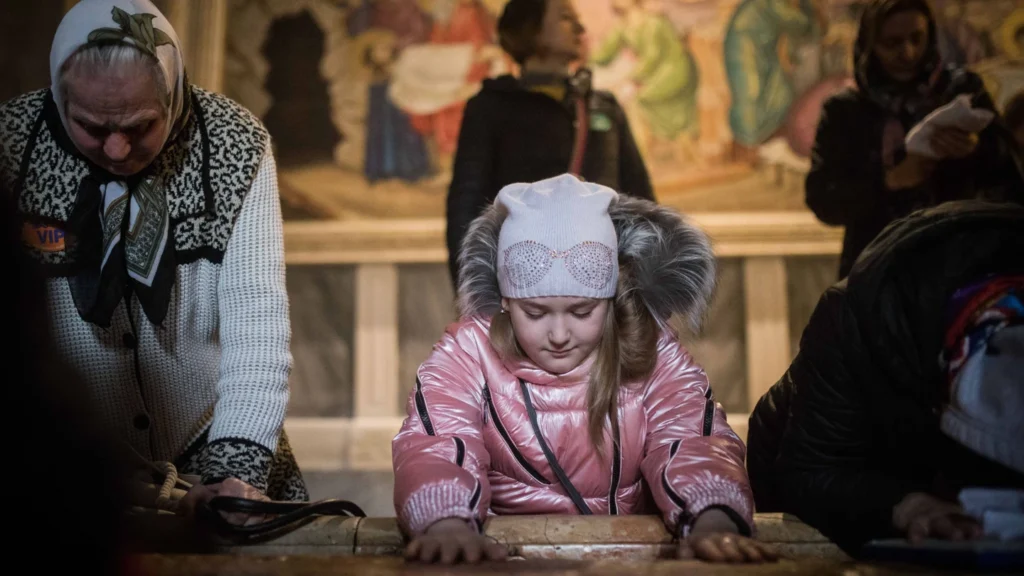
In a recent development, the heads of the Armenian and Greek Orthodox Churches in the Holy Land have issued a condemnation of Christian Zionism, sparking a significant intra-Christian debate. This controversy highlights the deep divisions within Christianity regarding its relationship with Israel. The condemnation comes at a time when Israel is strengthening its ties with the global evangelical community, a group viewed with skepticism by the local Catholic Church.
The tension is further compounded by the efforts of Christian Arabs in Israel to integrate more fully into society, a movement that has gained momentum following the Hamas-led attack on southern Israel in October 2023. Amid these complex dynamics, the Latin patriarch of Jerusalem, Cardinal Pierbattista Pizzaballa, has notably refrained from engaging in the dispute.
In a letter dated January 17, the patriarchs and church leaders in Jerusalem expressed their concerns about the influence of Christian Zionists. They argued that these individuals mislead the public, create confusion, and threaten the unity of their congregations. The church leaders warned that Christian Zionists, who have gained favor with certain political figures in Israel and internationally, could harm the Christian presence in the Holy Land and the broader Middle East.
The church heads emphasized that Christian Zionists should not be seen as representatives of the churches or their congregations in matters concerning Christian religious, communal, and pastoral life in the Holy Land. David Rosen, former international director of interreligious affairs at the American Jewish Committee, noted the increasing use of evangelical voices to support Israel. He highlighted the pressure on Christians within their communities to distance themselves from being perceived as agents of Israel’s interests, especially by their Muslim neighbors.
Rosen also pointed out that the Latin patriarch has maintained a more balanced stance, attributed to his familiarity with Israel and the Vatican’s political sensitivity. This balance contrasts with the positions of other traditional Church leaders in the Holy Land, reflecting the diverse makeup of their congregations. As these tensions unfold, the Christian community continues to navigate the complex interplay of faith, politics, and identity in the region, striving for peace and unity in line with biblical teachings such as Romans 12:18, which calls for living in harmony with all.
Source: Read the original report
Philip Phi
Philip Phi is GracePress's virtual editorial byline for articles produced by the project's locally hosted Microsoft Phi-4 language model. He does not independently report, interview sources, or witness events. Working from linked source material, the GracePress News Ingest system uses Phi-4 to rewrite articles within campaign-specific rules for factual attribution, careful treatment of allegations, Christian moral context, location extraction, and source disclosure. Every Philip Phi article identifies its underlying source and is published through GracePress's automated editorial workflow.