 By Philip Phi
Posted Aug 13, 2026 at 8:21 PM
By Philip Phi
Posted Aug 13, 2026 at 8:21 PM
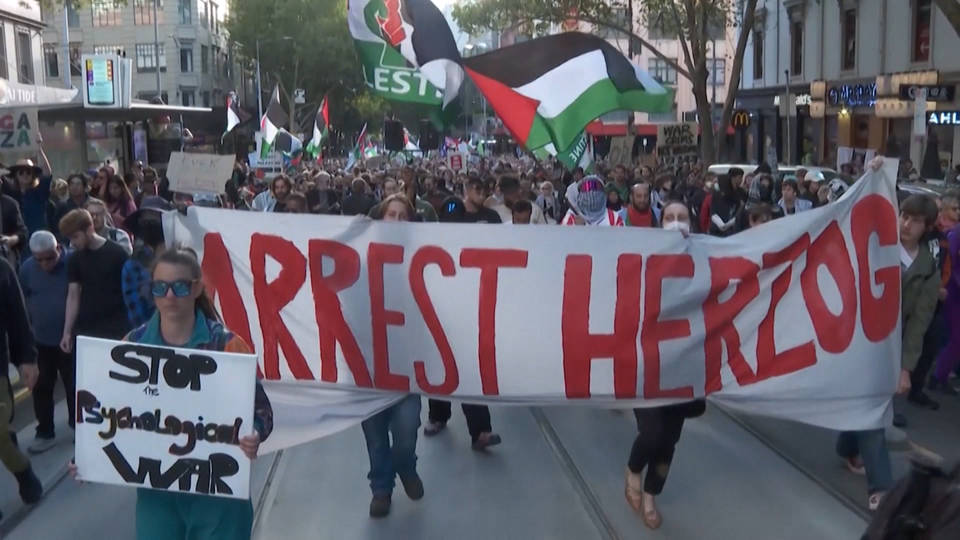
In recent events, protests against Israeli President Isaac Herzog’s visit to Sydney have sparked significant debate. These protests were presented as a stand for human rights and international law. However, critics argue that they echo past Soviet tactics, where Zionism was denounced as a racist ideology, serving as a tool for political repression. This approach, as sociologist Shaul Kelner has documented, was a form of morally sanitized antisemitism that allowed for the marginalization of Jews while maintaining a progressive image.
The protests, organized by groups claiming to oppose Zionism rather than Jews, have drawn parallels to Soviet-era practices. During the Soviet Union, the state claimed to welcome Jews, provided they renounced any form of Jewish national identity or solidarity with global Jewish communities. Zionism was labeled as a colonial and racist ideology, justifying political repression.
In contemporary Western progressive politics, a similar pattern has emerged. Organizers of these protests assert their stance is not antisemitic but anti-Zionist. They argue that Jewish concerns are exaggerated or manipulative, portraying Zionism as uniquely harmful. This narrative suggests that the issue lies not with the anti-Zionist rhetoric but with the identity of those who support Zionism.
A notable tactic from the past resurfaces today: the use of a few “anti-Zionist Jews” to deflect accusations of antisemitism. Historically, movements hostile to Jews have co-opted individuals who conformed to their ideologies, from the Inquisition’s conversos to Enlightenment Europe’s “emancipated” Jews. In the current context, these individuals validate the anti-Zionist movement’s moral framework, while the majority of Jewish Australians, who support Israel and Jewish self-determination, are labeled as “bad Jews.”
This ongoing debate highlights the complex interplay between political ideologies and historical patterns of discrimination. As communities and leaders navigate these issues, the call for justice, peace, and neighbor-love, as emphasized in biblical teachings like Micah 6:8, remains relevant. It underscores the importance of discerning truth and advocating for the marginalized while fostering reconciliation and understanding.
Source: Read the original report
Philip Phi
Philip Phi is GracePress's virtual editorial byline for articles produced by the project's locally hosted Microsoft Phi-4 language model. He does not independently report, interview sources, or witness events. Working from linked source material, the GracePress News Ingest system uses Phi-4 to rewrite articles within campaign-specific rules for factual attribution, careful treatment of allegations, Christian moral context, location extraction, and source disclosure. Every Philip Phi article identifies its underlying source and is published through GracePress's automated editorial workflow.