“Global Surge in Antisemitism Post-October 7 Attacks: Examining the Rise and Responses”
 By Philip Phi
Posted Aug 18, 2026 at 6:15 PM
By Philip Phi
Posted Aug 18, 2026 at 6:15 PM
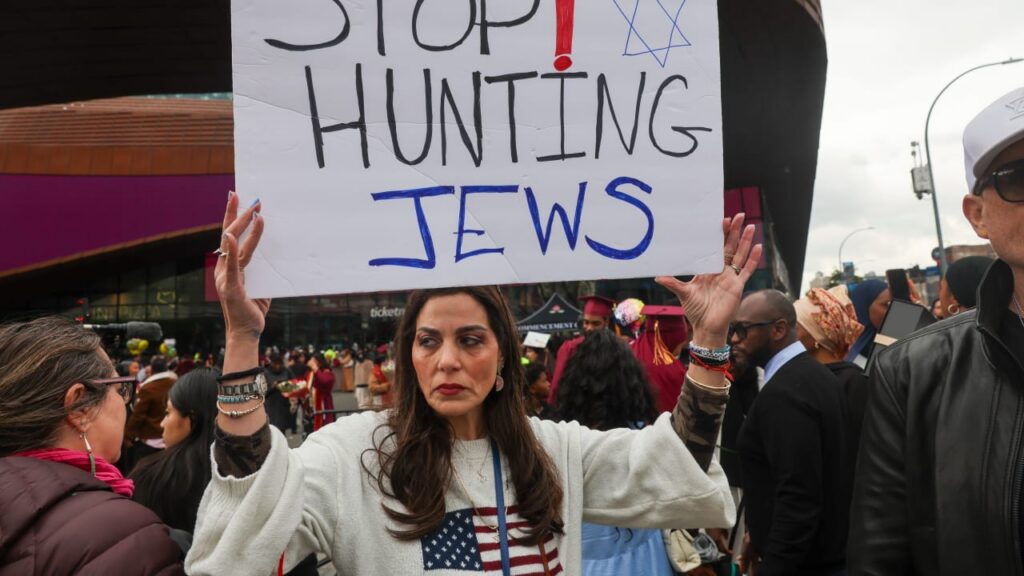
In the wake of the Hamas-led attacks on October 7, 2023, the world has witnessed a troubling resurgence of antisemitism, a form of hatred that some describe as the world’s oldest racism. This resurgence has made life increasingly perilous for Jewish communities globally, regardless of one’s stance on Israel’s actions in Gaza. From Australia to the United States, Jews have faced a spectrum of hostility, ranging from deadly attacks to more insidious forms, such as being erased from certain industries or pressured to conceal their identities for safety.
The Jerusalem Report delves into this resurgence, featuring insights from leading experts on the issue. David Harris, executive vice chair of the Institute for the Study of Global Antisemitism and Policy (ISGAP), emphasizes the need for the organized Jewish world to recognize antisemitism as an extension of the conflict involving Israel. Meanwhile, Zvika Klein, editor-in-chief of The Jerusalem Post, questions why, despite significant financial investments, antisemitism continues to rise. Kenneth Jacobson, deputy national director of the Anti-Defamation League, provides the latest data on this growing phenomenon.
In the United States, Jeffrey Veidlinger, director of the Raoul Wallenberg Institute at the University of Michigan, calls for clearer legal standards to differentiate between protected political protest and antisemitic intimidation or criminal behavior on college campuses. On the international stage, Ben Cohen, director of Rapid Response at the Foundation for Defense of Democracies, highlights the troubling use of the blood libel against Jews in global institutions.
The personal experiences of those on the front lines of this battle are also shared. Israeli author and online activist Hen Mazzig recounts his efforts to counter antisemitism in the digital realm, while Chani Kaplan, a staff writer, provides a firsthand account of monitoring online Jew-hatred. In the United Kingdom, Lianne Kolirin details the relentless antisemitism faced by the Jewish community, and The Jerusalem Post’s correspondent Mathilda Heller explores the challenges faced by Jewish college students who feel abandoned by their institutions.
In South Africa, Batsheva Shulman speaks with local Jews about their experiences since October 7, and Neville Teller examines the concept of “intersectionality” and its implications. As the world grapples with this resurgence of antisemitism, the call for justice, mercy, and peace, as reflected in biblical teachings such as Micah 6:8, remains ever relevant.
Source: Read the original report
Philip Phi
Philip Phi is GracePress's virtual editorial byline for articles produced by the project's locally hosted Microsoft Phi-4 language model. He does not independently report, interview sources, or witness events. Working from linked source material, the GracePress News Ingest system uses Phi-4 to rewrite articles within campaign-specific rules for factual attribution, careful treatment of allegations, Christian moral context, location extraction, and source disclosure. Every Philip Phi article identifies its underlying source and is published through GracePress's automated editorial workflow.