 By Philip Phi
Posted Aug 30, 2026 at 5:20 PM
By Philip Phi
Posted Aug 30, 2026 at 5:20 PM
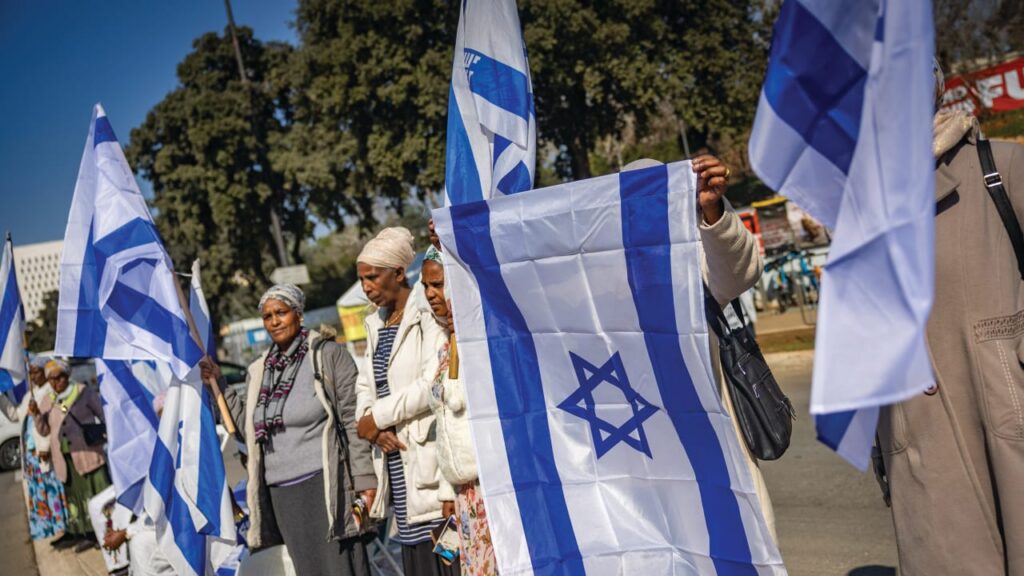
In recent developments, the Ethiopian Israeli community has been advocating for greater representation and influence in both Israeli politics and international forums like the United Nations. This call for increased participation stems from a long history of Ethiopian Jews, who, for generations, have observed Shabbat, maintained ancient biblical traditions, and prayed towards Jerusalem. The spiritual and cultural connection to Zion is deeply rooted, as evidenced by the annual holy day of Sigd, where the Beta Israel community renews its covenant with God and the Torah.
Historically, Ethiopian Jews have demonstrated a profound reverence for Jewish tradition and a strong attachment to Jerusalem, long before the rise of modern political Zionism. This historical context helps explain why many Ethiopian Israelis feel a natural affinity with religious Zionism and the Israeli right, valuing Jewish sovereignty, military service, and the strength necessary for Jewish survival.
As Israel approaches its parliamentary elections on October 27, the political landscape is once again in focus. Unlike systems with congressional-style district representatives, Israelis vote for national party lists, with parliamentary seats distributed proportionally. This system means that a candidate’s position on a party list can significantly impact their ability to wield power.
A notable example is Gabi Gebre Worku, an Ethiopian Israeli who recently competed in the Likud party’s primaries. Despite securing a victory in the direct contest for a position reserved for new immigrants, Worku was placed at No. 43 on the party list. This placement is beyond the party’s practical electoral range, raising concerns about the value placed on the democratic participation of Ethiopian Israelis within the party.
The situation underscores the ongoing challenge of ensuring that Ethiopian Israelis are not only invited to demonstrate loyalty but are also trusted with meaningful power. As the community continues to advocate for greater representation, the broader question of inclusivity and equity within Israeli politics remains a pressing issue. This narrative echoes the biblical call for justice and peace, reminding us of the importance of caring for all neighbors and ensuring that every voice is heard.
Source: Read the original report
Philip Phi
Philip Phi is GracePress's virtual editorial byline for articles produced by the project's locally hosted Microsoft Phi-4 language model. He does not independently report, interview sources, or witness events. Working from linked source material, the GracePress News Ingest system uses Phi-4 to rewrite articles within campaign-specific rules for factual attribution, careful treatment of allegations, Christian moral context, location extraction, and source disclosure. Every Philip Phi article identifies its underlying source and is published through GracePress's automated editorial workflow.