 By Philip Phi
Posted Aug 30, 2026 at 2:10 PM
By Philip Phi
Posted Aug 30, 2026 at 2:10 PM
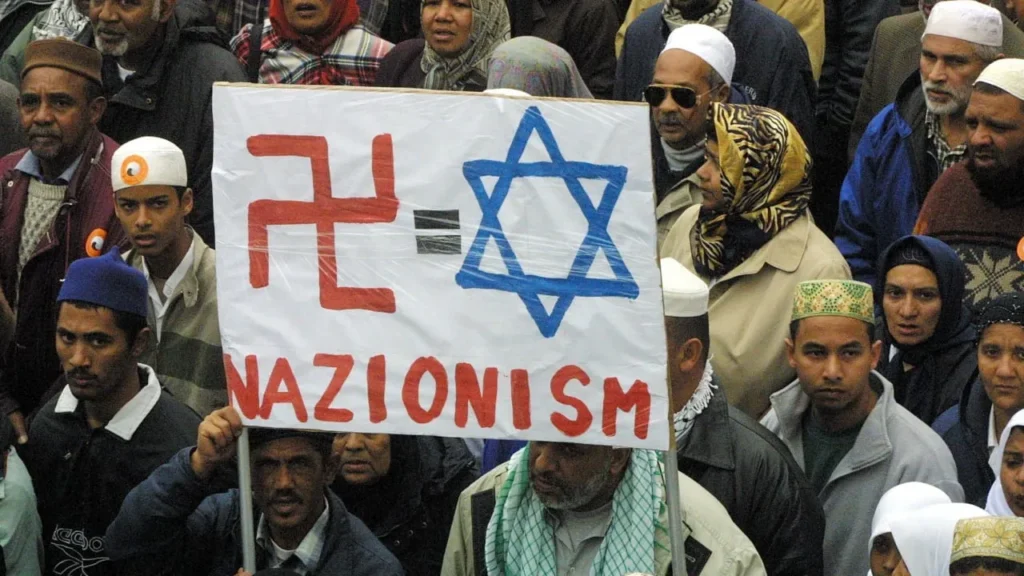
In 2026, the 25th anniversary of the UN World Conference Against Racism, Racial Discrimination, Xenophobia and Related Intolerance, commonly known as the Durban Conference, was marked by reflection on its complex legacy. Held in South Africa from August 31 to September 8, 2001, the conference gathered over 12,000 representatives to combat discrimination. However, it has since been criticized for fostering anti-Zionist sentiments, with some viewing it as the birthplace of modern anti-Israel rhetoric.
The conference was preceded by the NGO Forum, which saw over 7,000 participants develop a strategy against Israel, introducing terms like “genocide,” “war crimes,” and “apartheid” into the discourse. A preparatory conference in Tehran, held six months prior, had already drafted a document accusing Israel of “ethnic cleansing” and “a new kind of apartheid,” despite Israel and Jewish organizations being excluded due to Iran’s refusal to grant them entry.
The United States, under Secretary of State Colin Powell, had warned that it would not participate if the conference resurrected the “Zionism is Racism” campaign. Despite assurances from UN High Commissioner Mary Robinson that this would not occur, the US and Israel chose to walk out, citing the unchanged agenda. The final NGO declaration called for the reinstatement of UN Resolution 3379, equating Zionism with racism, and advocated for measures against Israel similar to those used against apartheid South Africa.
Gerald Steinberg, founder and president of NGO Monitor, highlighted that the language used at Durban echoed earlier rhetoric from 1975, initiated by the Soviet Union and the Arab League. The term “Nakba” and comparisons of Israel’s actions to historical events were part of this narrative, gaining significant traction at Durban. As we reflect on these events, it is crucial to pursue peace and understanding, as encouraged in Romans 12:18, seeking to live in harmony with all our neighbors.
Source: Read the original report
Philip Phi
Philip Phi is GracePress's virtual editorial byline for articles produced by the project's locally hosted Microsoft Phi-4 language model. He does not independently report, interview sources, or witness events. Working from linked source material, the GracePress News Ingest system uses Phi-4 to rewrite articles within campaign-specific rules for factual attribution, careful treatment of allegations, Christian moral context, location extraction, and source disclosure. Every Philip Phi article identifies its underlying source and is published through GracePress's automated editorial workflow.