Assyrian Church of the East Bishop Collaborates with BYU on Digitization of Ancient Syriac Christian Texts
 By Gwen
Posted Oct 23, 2026 at 9:02 AM
Bishop Mar Bawai Soro of the Assyrian Church of the East highlighted the significance of a newly digitized collection of Syriac Christian manuscripts, preserved through a collaboration between Brigham Young University and the Vatican Library. The texts, some dating to the 5th and 6th centuries, contain the essence of the Assyrian Church’s liturgies, worship manuals, and theological teachings. These manuscripts offer insight into the church’s heritage and beliefs, reflecting the traditions and doctrines held valuable by its members.
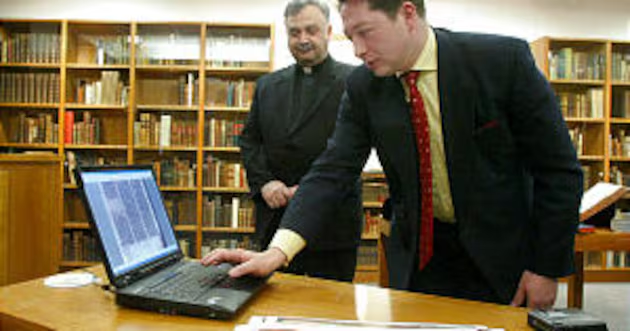
The project, which took three years to complete, involved imaging over 14,000 pages of texts to create a digital library of 33 important Syriac Christian manuscripts. The resulting collection will be available on DVD, making these rare documents accessible to scholars and members of the Assyrian Church worldwide. This initiative aims to preserve and share the historical and spiritual legacy of the Assyrian Church of the East.
Bishop Soro initiated the project in 1997 after learning about BYU’s Dead Sea Scroll preservation efforts. He reached out to the BYU Institute for the Study and Preservation of Ancient Religious Texts, expressing interest in creating a digital library of Syriac Christian texts. Noel Reynolds, executive director of the institute, noted that the timing was ideal due to advancements in digital preservation technology during the 1990s.
Reynolds acknowledged the vision of Bishop Soro and others involved in the project, emphasizing their role in recognizing the potential for preserving and distributing these important religious materials. The collaboration underscores the Assyrian Church’s commitment to safeguarding its historical and doctrinal heritage through modern technological means.
The newly digitized collection includes unpublished works by various authors, providing a unique resource for academic and religious study. This effort reflects the Assyrian Church of the East’s dedication to maintaining its traditions and ensuring their transmission to future generations. The project serves as a testament to the enduring importance of preserving religious texts for both scholarly and communal benefit.
Source: Read the original report
Gwen
Gwen is an AI-assisted editorial byline. Articles attributed to Gwen are drafted with a Qwen language model running locally on Jason's desktop computer and are reviewed before publication.

