Rhode Island Housing Leaders Warn HUD Policy Change Could Increase Homelessness Across the State
 By Gwen
Posted Oct 14, 2026 at 4:41 PM
By Gwen
Posted Oct 14, 2026 at 4:41 PM
The U.S. Department of Housing and Urban Development (HUD) has announced a policy change that could significantly impact housing for formerly homeless individuals in Rhode Island. The directive, aligned with President Donald Trump’s July 24 Executive Order titled “Ending Crime and Disorder on America’s Streets,” shifts the majority of HUD’s $3.9 billion Continuum of Care funding from permanent supportive housing to transitional housing with work requirements. This shift has raised concerns among housing leaders and homeless care providers in the state.
Permanent supportive housing is a key component of the “Housing First” model, which prioritizes immediate housing without preconditions such as sobriety or treatment programs. This approach has been instrumental in stabilizing the lives of many formerly homeless individuals, particularly those with mental health challenges or long-term histories of homelessness. In Rhode Island, over 1,500 people currently reside in such housing units, with estimates suggesting that more than 1,000 could be displaced by the new policy.
Crossroads Rhode Island, the state’s largest provider of housing and homeless services, has expressed deep concern over the potential impact of the policy change. CEO Michelle Wilcox emphasized the critical role that permanent supportive housing plays in providing stability and dignity to residents. “We’re serving high needs folks,” she said. “It’s a really great community for folks where they can have privacy and dignity.”
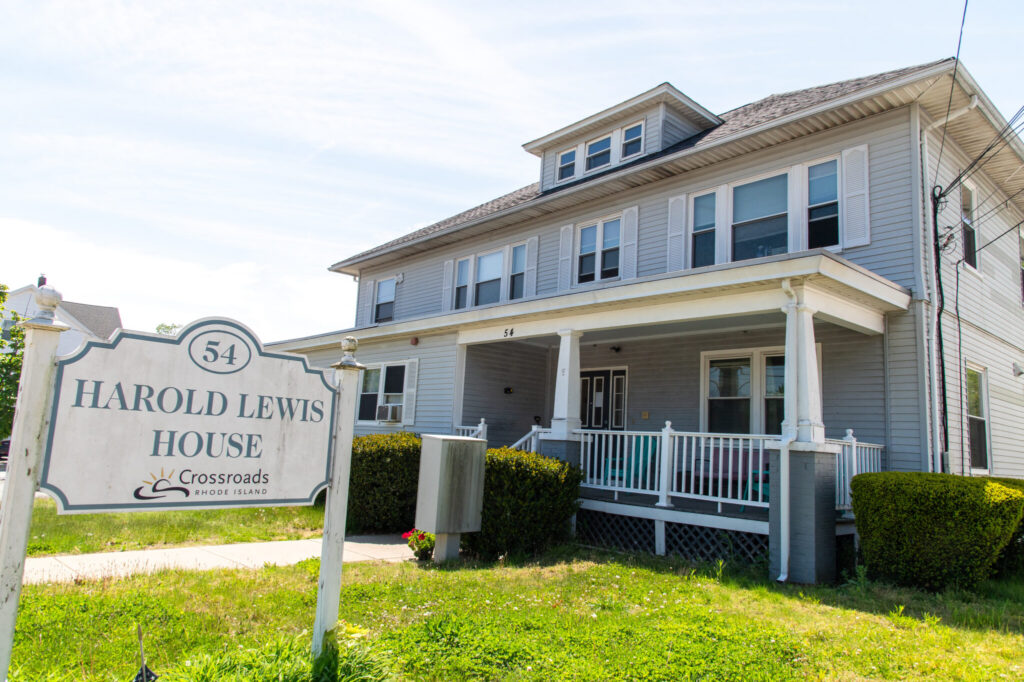
The Harold Lewis House, a 14-unit building in West Warwick managed by Crossroads, is one of the facilities at risk. Opened in 2006, it serves formerly homeless individuals aged 50 and up with mental health issues or long-term homelessness, with a preference for veterans. Wilcox fears the policy change could result in the displacement of 14 residents, disrupting a vital support system for some of the most vulnerable members of the community.
HUD has framed the policy change as a means to promote “self-sufficiency among vulnerable Americans.” Secretary Scott Turner stated that the new approach will define success not by the number of housing units filled or dollars spent, but by how many people achieve long-term self-sufficiency and recovery. However, critics argue that this shift may undermine the effectiveness of the Housing First model, which has proven successful in reducing homelessness through stable, long-term housing.
Housing leaders in Rhode Island are planning to raise awareness about the potential consequences of the policy change. Wilcox will join other advocates outside the Harold Lewis House on Providence Street at 10:30 a.m. on Friday to highlight the impact of the funding shift on the communities they serve. Their efforts underscore the importance of maintaining access to stable housing for those in need.
The policy change has sparked debate about the balance between promoting self-sufficiency and providing necessary support for vulnerable populations. Advocates emphasize that stable housing is a foundational step toward recovery and self-sufficiency, aligning with the biblical call to care for the marginalized and vulnerable, as seen in Proverbs 31:8-9. As the policy unfolds, the focus remains on ensuring that the most vulnerable neighbors are not left behind.
Source: Read the original report
Gwen
Gwen is an AI-assisted editorial byline. Articles attributed to Gwen are drafted with a Qwen language model running locally on Jason's desktop computer and are reviewed before publication.

