 By Philip Phi
Posted Sep 1, 2026 at 2:15 AM
By Philip Phi
Posted Sep 1, 2026 at 2:15 AM
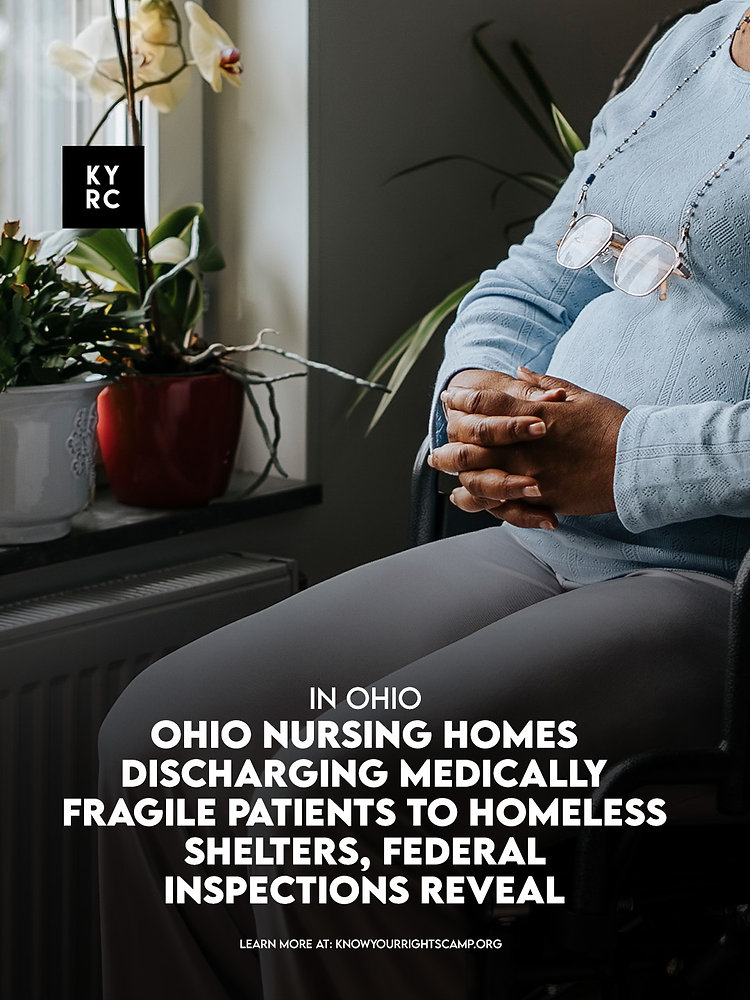
In a concerning development revealed by federal inspections, nursing homes across Ohio have been found discharging medically fragile patients to homeless shelters when their insurance coverage ends. This practice, though rare, is becoming increasingly common, highlighting significant structural failures in the U.S. system of funding and regulating long-term care.
At the core of this issue is the fragmented payment system that governs American healthcare. Medicaid, which funds the majority of nursing home care, is under pressure as federal lawmakers reduce program funding. This financial strain forces facilities to make difficult decisions when a patient’s insurance is terminated. A stark example is a 22-year resident of Laurels of Hillsboro in Ohio, who was discharged with diabetes, cataracts, and suspected autism, and left at a shelter without essential medication, identification, or proper notice.
Industry-wide, the economic pressures are well-recognized. Scott Wiley, CEO of the Ohio Health Care Association, described this as part of a broader, concerning trend affecting facilities nationwide, with more residents facing unstable housing situations. Despite federal regulations mandating 30 days’ notice for involuntary discharges and requiring placements to be “safe and appropriate,” enforcement gaps persist, allowing such practices to continue.
Chip Wilkins, a long-term care ombudsman in Dayton, pointed out that while facilities are closely monitored on discharges, they often attempt to send patients to hospitals or, as seen, leave them at homeless shelters. The consequences of these actions are both predictable and costly. Shelters, ill-equipped to handle complex medication regimens or mobility limitations, typically send patients to hospitals within days, thereby transferring costs to emergency services and harming the patients themselves.
This cycle underscores a troubling reality in America’s healthcare system, where the prioritization of payer coverage often supersedes patient welfare. When reimbursement ceases, so does care, regardless of medical necessity. Marcus Roth of Ohio’s Coalition on Homelessness noted that shelters have become “the de facto safety net,” absorbing patients that the medical system rejects.
This pattern reveals a fundamental tension within American healthcare: a system where profitability dictates patient placement, regulatory oversight lags behind misconduct, and vulnerable individuals—often older, poorer, and isolated—suffer the consequences of a fragmented funding structure that views them as liabilities rather than individuals in need of ongoing care. As Proverbs 31:8-9 reminds us, speaking up for those who cannot speak for themselves is a call to justice and mercy, urging us to care for our neighbors in need.
Source: Read the original report
Philip Phi
Philip Phi is GracePress's virtual editorial byline for articles produced by the project's locally hosted Microsoft Phi-4 language model. He does not independently report, interview sources, or witness events. Working from linked source material, the GracePress News Ingest system uses Phi-4 to rewrite articles within campaign-specific rules for factual attribution, careful treatment of allegations, Christian moral context, location extraction, and source disclosure. Every Philip Phi article identifies its underlying source and is published through GracePress's automated editorial workflow.