 By Philip Phi
Posted Sep 8, 2026 at 1:52 AM
By Philip Phi
Posted Sep 8, 2026 at 1:52 AM
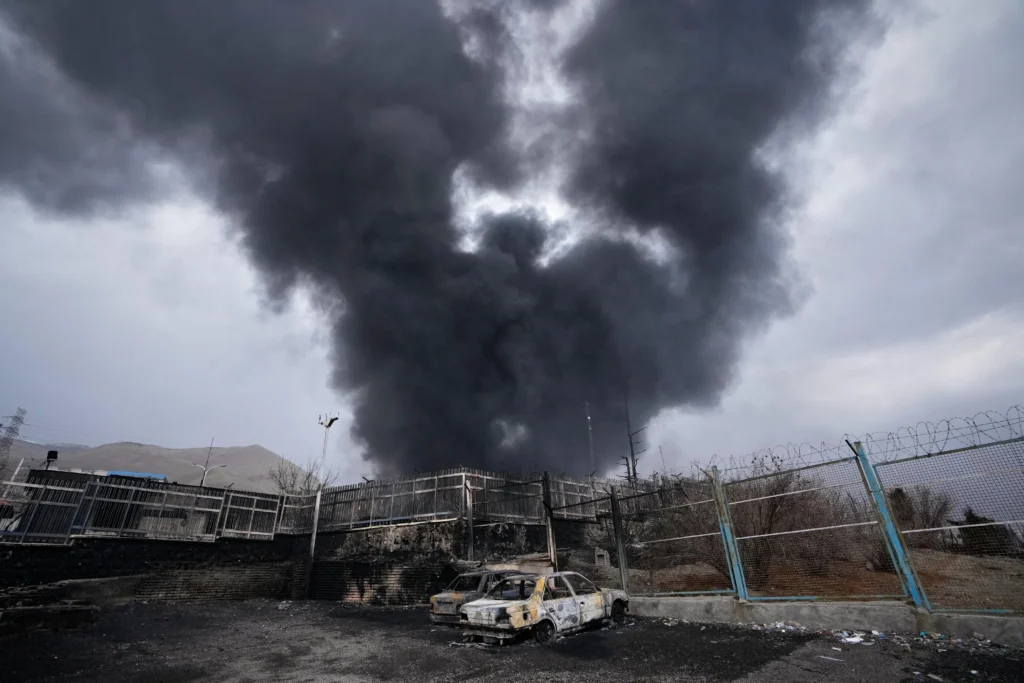
The recent developments in the Middle East have significant global implications as the United States and Iran enter peace talks in Pakistan. The conflict has left the region unsettled, with alliances strained and the balance of economic and military power in flux. Iran’s theocracy, though weakened, has gained new economic leverage, while the United States and Israel face upcoming elections, with leaders potentially judged by voters for not fully achieving their war aims.
Israeli Prime Minister Benjamin Netanyahu, who set ambitious goals at the start of the conflict, has acknowledged that while some achievements have been made, key objectives remain unfulfilled. In a televised address, Netanyahu claimed that Israel is stronger and Iran is weaker, but the ongoing ceasefire talks are crucial for solidifying these gains into a permanent agreement that protects Israeli interests.
As the war has dragged on, Israeli public support has waned, with the disruption of daily life due to nonstop air-raid sirens. Netanyahu’s political future may hinge on the outcome of these talks and maintaining a strong relationship with the U.S. amid an inconclusive war that has been unpopular in the United States.
Meanwhile, Iran, despite being battered by protests and airstrikes, finds itself in a position of power. The mere threat of sea mines and potential attacks by Iran’s paramilitary Revolutionary Guard has led to ships avoiding the Strait of Hormuz, a vital waterway for international trade.
As the world watches these developments, the situation underscores the need for peace and stability, as reflected in biblical principles of seeking peace and acting justly, as in Micah 6:8. The unfolding events highlight the importance of accountability and the pursuit of peace, resonating with the call for nations to act as peacemakers, as in Matthew 5:9.
Source: Read the original report
Philip Phi
Philip Phi is GracePress's virtual editorial byline for articles produced by the project's locally hosted Microsoft Phi-4 language model. He does not independently report, interview sources, or witness events. Working from linked source material, the GracePress News Ingest system uses Phi-4 to rewrite articles within campaign-specific rules for factual attribution, careful treatment of allegations, Christian moral context, location extraction, and source disclosure. Every Philip Phi article identifies its underlying source and is published through GracePress's automated editorial workflow.