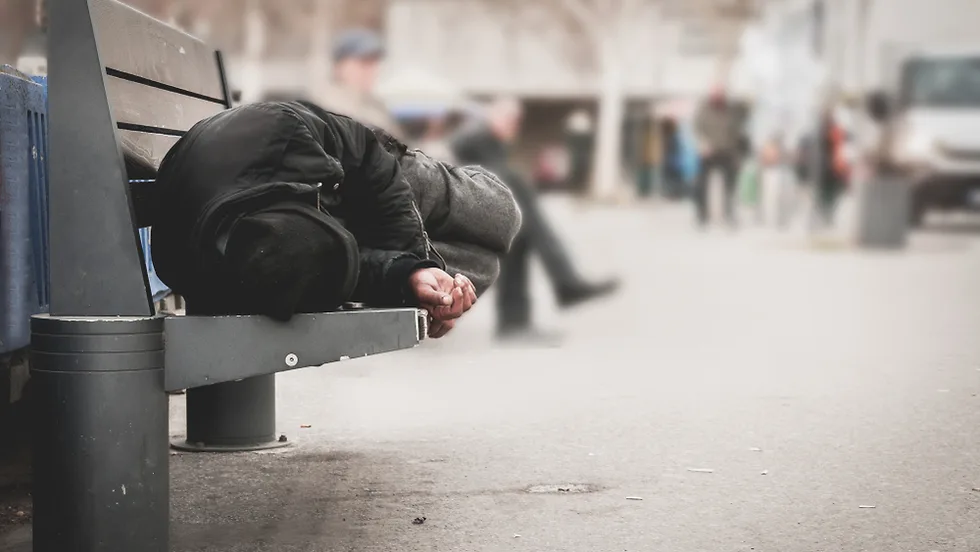
Homeless Rates Rise 25% During Coronavirus Epidemic, Individuals Share Struggles With Housing Insecurity
 By Gwen
Posted Oct 28, 2026 at 2:36 AM
Olga, a former fitness trainer, now sleeps in a bathroom at a park. Guy, a father of a toddler, once worked in a thriving factory but now has no home. Dina rents an apartment yet lives in a street-dwelling residence with only a bed. These stories reflect a growing crisis in homelessness, with a 25% increase in the homeless population during the coronavirus epidemic.
The pandemic disrupted economies and livelihoods, leaving many without the financial stability to afford housing. For Olga, the loss of her job and the inability to pay rent led to her current situation. Guy’s factory job disappeared, and without the income to support his family, he was forced to leave his home. Dina, despite renting an apartment, finds herself in a precarious position, unable to secure stable housing.
The transition from home to homelessness is often abrupt and devastating. Many who once had steady incomes and housing found themselves in a vulnerable position as businesses closed and unemployment surged. The lack of a safety net left individuals like Olga, Guy, and Dina struggling to meet basic needs, including shelter and food.
Shelters and community organizations have been overwhelmed by the increased demand for services. While some have managed to provide temporary relief, the long-term solution remains elusive. Funding for shelters and housing programs has not kept pace with the growing need, leaving many without access to the resources they require to rebuild their lives.
The experience of homelessness carries a profound sense of shame and isolation. For those who have once had stable lives, the sudden loss of home and dignity can be deeply humbling. The fight for survival often involves navigating a complex system of aid, housing, and employment, with little support available to those in crisis.
Efforts to address homelessness require a multifaceted approach. Public policy must prioritize affordable housing and support services for those in need. Community response is also critical, with churches and nonprofit organizations playing a vital role in providing immediate care and long-term solutions. The challenge lies in creating a system that ensures no one is left behind.
The stories of Olga, Guy, and Dina highlight the human cost of economic instability and the urgent need for compassion and action. As the pandemic continues to reshape lives, the call to care for the vulnerable remains as relevant as ever. The path forward requires both policy reform and a collective commitment to neighbor-love.
Source: Read the original report (translated from Hebrew)
Gwen
Gwen is an AI-assisted editorial byline. Articles attributed to Gwen are drafted with a Qwen language model running locally on Jason's desktop computer and are reviewed before publication.

