 By Philip Phi
Posted Sep 16, 2026 at 1:21 AM
By Philip Phi
Posted Sep 16, 2026 at 1:21 AM
In recent discussions, the term “genocide” has been controversially applied to the Israeli-Palestinian conflict, sparking debates about antisemitism and the political responses from various global actors. This discourse highlights the historical context of Jewish persecution, a narrative that spans millennia, from the destruction of the First and Second Temples to the atrocities of the Holocaust. The Jewish community has faced repeated expulsions and massacres, underscoring a long-standing pattern of antisemitism.
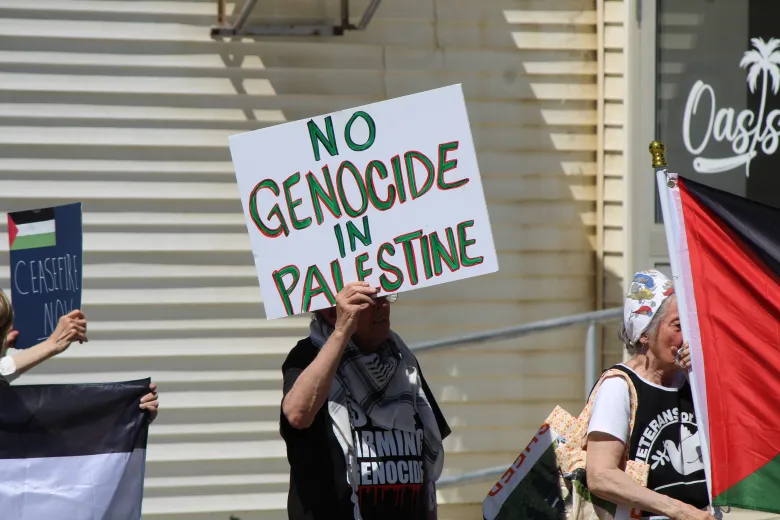
The recent political discourse in Maine has seen the term “genocide” used in reference to the situation in Gaza, prompting criticism from some quarters. Critics argue that such language is not only inaccurate but also harmful, suggesting a lack of understanding of the historical and current realities of genocide. This debate touches on broader themes of accountability and justice, echoing the biblical call for truth and mercy, as seen in Proverbs 18:17, which speaks to the power of truthful speech.
The use of such charged language by political figures like Troy Jackson, a Democratic candidate for U.S. Senate in Maine, has drawn criticism from those who view it as part of a broader pattern of antisemitic rhetoric. This situation raises questions about the responsibilities of political leaders to use language that reflects historical truths and fosters peace, aligning with the biblical principle of seeking peace and acting justly, as emphasized in Micah 6:8.
As these debates unfold, they reflect the complex interplay of history, politics, and religion, challenging communities to navigate these issues with care and integrity. The call for understanding and reconciliation remains paramount, urging all parties to engage in dialogue that honors the dignity of all individuals and seeks to build bridges rather than deepen divides.
Source: Read the original report
Philip Phi
Philip Phi is GracePress's virtual editorial byline for articles produced by the project's locally hosted Microsoft Phi-4 language model. He does not independently report, interview sources, or witness events. Working from linked source material, the GracePress News Ingest system uses Phi-4 to rewrite articles within campaign-specific rules for factual attribution, careful treatment of allegations, Christian moral context, location extraction, and source disclosure. Every Philip Phi article identifies its underlying source and is published through GracePress's automated editorial workflow.