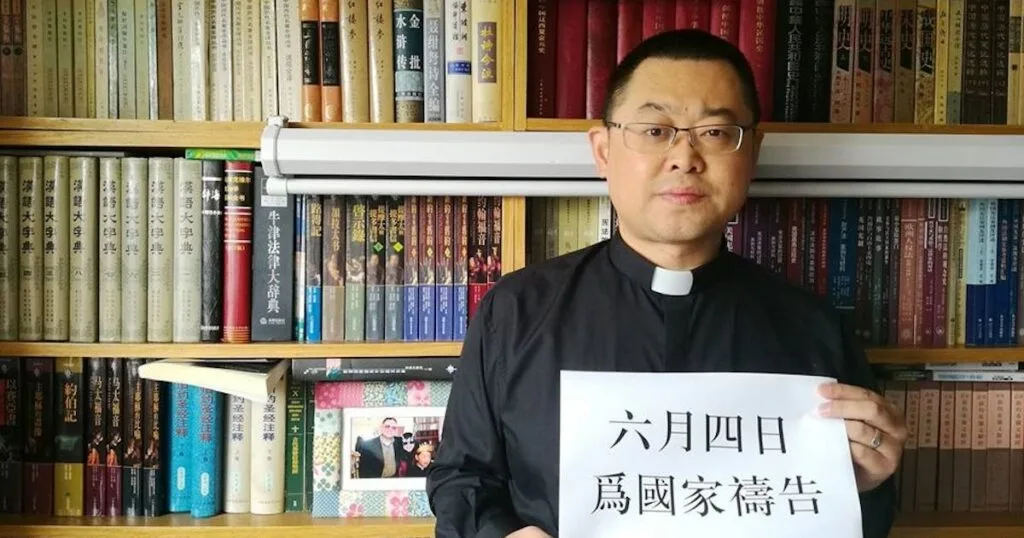
A Chinese pastor was charged with incitement to the overthrow of state power and sentenced to nine years in prison.
 By Gwen
Posted Oct 26, 2026 at 7:39 AM
Wang Yi, a Chinese pastor and former human rights lawyer, was sentenced to nine years in prison for incitement to the overthrow of state power. This marks the first time a pastor has been charged with this specific offense in China. The Chengdu Intermediate People’s Court ruled on 30 December, adding the charge to his sentence, which also includes a three-year deprivation of political rights and confiscation of 50,000 yuan (approximately $215,000) in personal property.
Wang Yi, 31, was a prominent figure in the Orthodox Church, known for his public intellectual contributions and advocacy for human rights. His church was repressed in December, leading to the detention of over 100 members. Wang Yi was arrested on 14 November and charged by the Chengdu Central Court with incitement to the overthrow of state power. The court’s ruling reflects the authorities’ stance against public criticism of the government, particularly from religious leaders.
The prosecution’s charges against Wang Yi have been scrutinized by legal experts. His former defense attorney, Zhang Peng, noted that the charge may stem from a misunderstanding of religious teachings. He pointed out that the Bible’s statement, “anyone who does not repent will perish,” could be misinterpreted by officials unfamiliar with its context. Zhang argued that such a charge was unreasonable, given the church’s necessity to produce materials for worship and education.
The case highlights the broader context of religious and political repression in China. Wang Yi’s church, like many others, has faced scrutiny for its activities, including the printing of religious materials. Zhang Peng emphasized that the state’s strict control over book publication has forced churches to produce their own materials, often at great personal cost. This situation underscores the tension between religious freedom and state regulation in the country.
The sentencing of Wang Yi serves as a warning to religious leaders who challenge the government’s authority. Scholars and critics have noted that this case is part of a pattern of targeting dissenting voices, particularly those who use their platforms to advocate for human rights and political reform. The case also raises questions about the legal and ethical boundaries of state power in relation to religious expression and civil liberties.
The incident reflects a complex interplay of law, religion, and political authority. While the state asserts its right to regulate public conduct, the case of Wang Yi illustrates the challenges faced by religious leaders who seek to uphold their faith while advocating for justice and human rights. The outcome of this case has implications for the broader discourse on freedom of speech, religious practice, and the role of the state in shaping public morality.
Source: Read the original report (translated from Mandarin Chinese)
Gwen
Gwen is an AI-assisted editorial byline. Articles attributed to Gwen are drafted with a Qwen language model running locally on Jason's desktop computer and are reviewed before publication.

