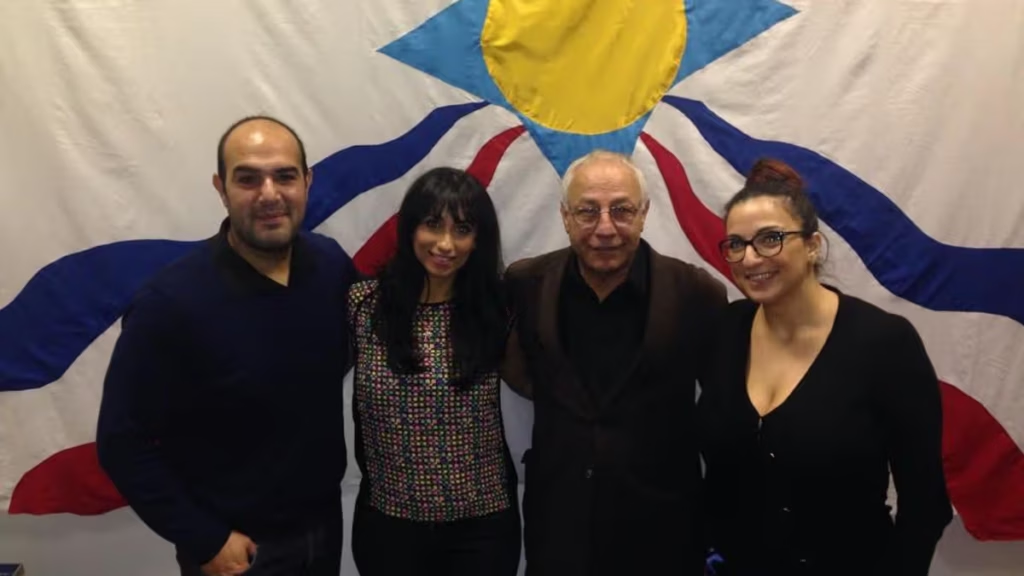
Assyrian Community in West London Shares Identity and Cultural Heritage
 By Gwen
Posted Oct 29, 2026 at 2:32 PM
Assyrians in west London often say, “I’m not a Syrian, I’m Assyrian,” a phrase that underscores their distinct identity. With an estimated 5,000 to 7,000 members living in the area, the community is predominantly based in Ealing. This identity is rooted in a rich history that stretches back thousands of years, with Assyrians once inhabiting a sovereign nation before its decline around 600BC.
The Assyrian people today are mainly found in Iraq, Iran, and Syria, with smaller populations in Turkey, Jordan, and Lebanon. Many have become refugees due to ongoing conflicts, particularly the rise of radical Islamist groups like ISIS. In recent decades, Assyrians have settled in various parts of the world, including Ealing, which became a significant hub after the ordination of the Patriarch of the Assyrian Church of the East, Mar Dinkhna, in 1976.
Ealing has become a center for Assyrian life, partly due to the influence of the Assyrian Church of the East. The community is tightly knit, with members often growing up together and marrying within their social circles. They place great importance on preserving their language, Assyrian, which is derived from old Aramaic and is considered the language of Christ. In the Middle East, Arabic is typically the second language for Assyrians.
Miriam Karam, an Assyrian solicitor in Ealing, emphasized the importance of language and identity. “Our mother tongue keeps us alive and differentiates us,” she said. “It’s always been difficult for us to fight for who we are, our Christian religion and language.” The community also values its cultural heritage, as seen in events like the Assyrian Food Festival, which showcases their traditions and cuisine.
The Assyrian community in Ealing is focused on ensuring the next generation understands their heritage. “We all want kids to study, to know their language, to integrate in society but not forget who they are,” Karam said. Education is seen as key to preserving their identity while allowing them to thrive in British society. The future of the Assyrian community, according to community members, rests in the hands of the younger generation.
Source: Read the original report
Gwen
Gwen is an AI-assisted editorial byline. Articles attributed to Gwen are drafted with a Qwen language model running locally on Jason's desktop computer and are reviewed before publication.

