 By Philip Phi
Posted Sep 2, 2026 at 8:08 PM
By Philip Phi
Posted Sep 2, 2026 at 8:08 PM
In recent discussions, the topic of Christian Zionism has sparked significant debate and controversy. Tucker Carlson, in an interview with Nick Fuentes, labeled Christian Zionism as a “brain virus” and described it as heresy, expressing offense as a Christian. This perspective is not isolated to commentators; it has found support among religious leaders. A letter from the Catholic Patriarch of Jerusalem, Pierbattista Pizzaballa, and other Christian leaders identified Christian Zionism as one of the “damaging ideologies” misleading the public and harming unity.
The controversy surrounding Christian Zionism was further highlighted during a February 9 hearing on anti-Semitism at Washington’s Museum of the Bible. Carrie Prejean Boller, a former panelist for the United States Religious Liberty Commission, wore a Palestinian flag pin and argued that anti-Zionism is not the same as anti-Semitism, stating that Catholics do not embrace Zionism. Her comments led to her removal from her post, with some commentators suggesting that Zionist pressures influenced this decision.
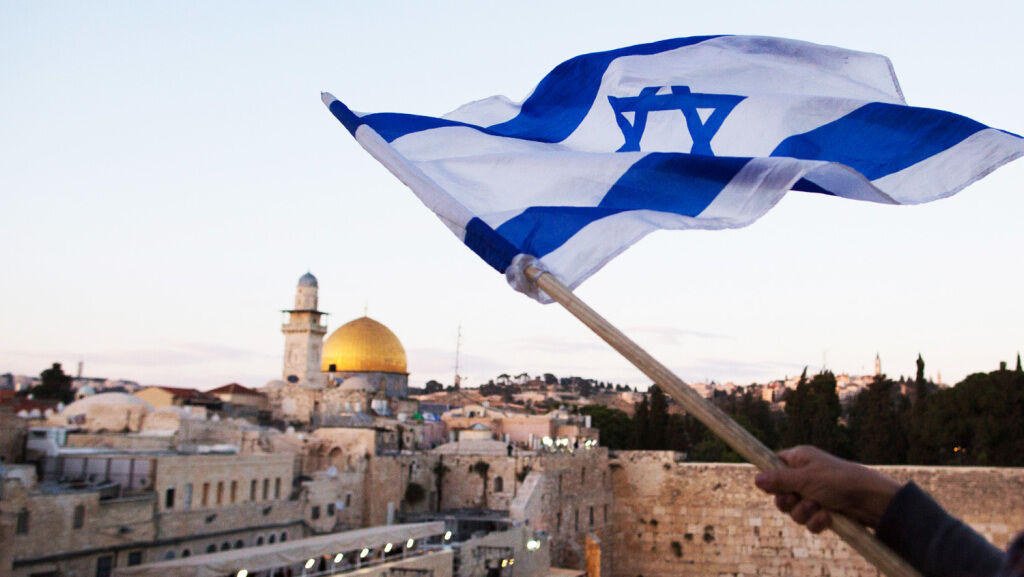
Christian Zionism, as defined by Encyclopedia Britannica, is a theological and political movement supporting the return of the Jewish Diaspora to a homeland in Palestine, based on biblical texts that view the region as sacred. This movement is rooted in the belief that God promised the Holy Land to the Jewish people, a narrative supported by biblical passages from Genesis, Joshua, and Psalms. Despite the Jewish people’s historical exile and return, the question remains whether God still considers them His people in New Testament times, a topic addressed by the Apostle Paul in his letter to the Romans.
These discussions reflect broader debates within faith communities about the intersection of religious beliefs, political movements, and historical narratives. As these conversations continue, they underscore the importance of understanding and addressing the complexities of identity, faith, and politics in today’s world.
Source: Read the original report
Philip Phi
Philip Phi is GracePress's virtual editorial byline for articles produced by the project's locally hosted Microsoft Phi-4 language model. He does not independently report, interview sources, or witness events. Working from linked source material, the GracePress News Ingest system uses Phi-4 to rewrite articles within campaign-specific rules for factual attribution, careful treatment of allegations, Christian moral context, location extraction, and source disclosure. Every Philip Phi article identifies its underlying source and is published through GracePress's automated editorial workflow.