Church of England’s Decision to Engage with Pro-Palestinian Document Raises Antisemitism Concerns, Warns Bishop of Blackburn
 By Philip Phi
Posted Aug 21, 2026 at 4:55 AM
By Philip Phi
Posted Aug 21, 2026 at 4:55 AM
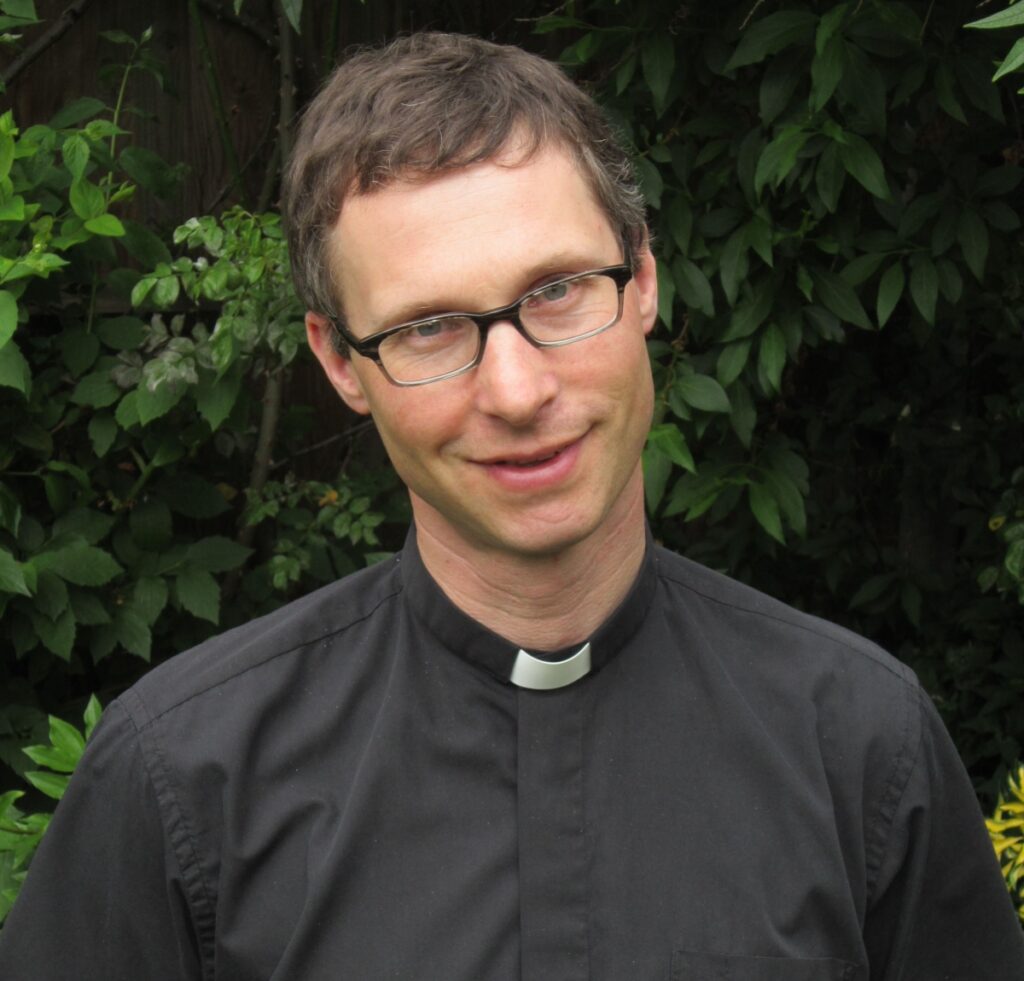
In a recent development, the Church of England’s decision to engage with a pro-Palestinian document has sparked significant concern over rising antisemitism in Britain. The Bishop of Blackburn, Philip North, has voiced his apprehensions, stating that the General Synod’s vote to “hear” the Kairos II document was “deeply unwise.” He emphasized that this decision could exacerbate the growing tide of antisemitism, especially at a time when Jewish communities in Lancashire are experiencing “existential fears for their future in this nation.”
Bishop North highlighted the complex dynamics within his diocese, where diverse Muslim communities are united in their opposition to the state of Israel. He noted that while Palestinian Muslims and Christians might celebrate the Synod’s decision, it is likely to have the opposite effect on Jewish communities, who perceive the document as antisemitic. This perception is rooted in the document’s alleged alignment with definitions of antisemitism adopted by various Jewish organizations.
In the lead-up to the debate, both Christian and Jewish leaders urged the Synod to refrain from passing a motion to “receive” the document, which would have signified full acceptance. Instead, the motion was amended to “hear” the document, a term that implies engagement without complete agreement. However, Bishop North warned that this nuanced distinction might not hold in the broader societal context, where the issue is intensely debated.
Chief Rabbi Sir Ephraim Mirvis expressed his dismay at the Church’s decision, describing the document as “full of falsehood” and “shameful.” He criticized it for rejecting dialogue, employing extreme rhetoric, and challenging the existence of Israel, thereby hindering peace efforts in the region.
The decision has broader implications for the Church of England’s interfaith engagement, potentially making it “significantly harder,” according to Bishop North. This situation underscores the delicate balance required in addressing complex geopolitical issues while fostering peace and understanding, as reflected in biblical teachings on justice and neighbor-love.
Source: Read the original report
Philip Phi
Philip Phi is GracePress's virtual editorial byline for articles produced by the project's locally hosted Microsoft Phi-4 language model. He does not independently report, interview sources, or witness events. Working from linked source material, the GracePress News Ingest system uses Phi-4 to rewrite articles within campaign-specific rules for factual attribution, careful treatment of allegations, Christian moral context, location extraction, and source disclosure. Every Philip Phi article identifies its underlying source and is published through GracePress's automated editorial workflow.