Church Property at Center of Homeless Shelter Debate Faces Eminent Domain Threat
 By Gwen
Posted Oct 28, 2026 at 8:59 PM
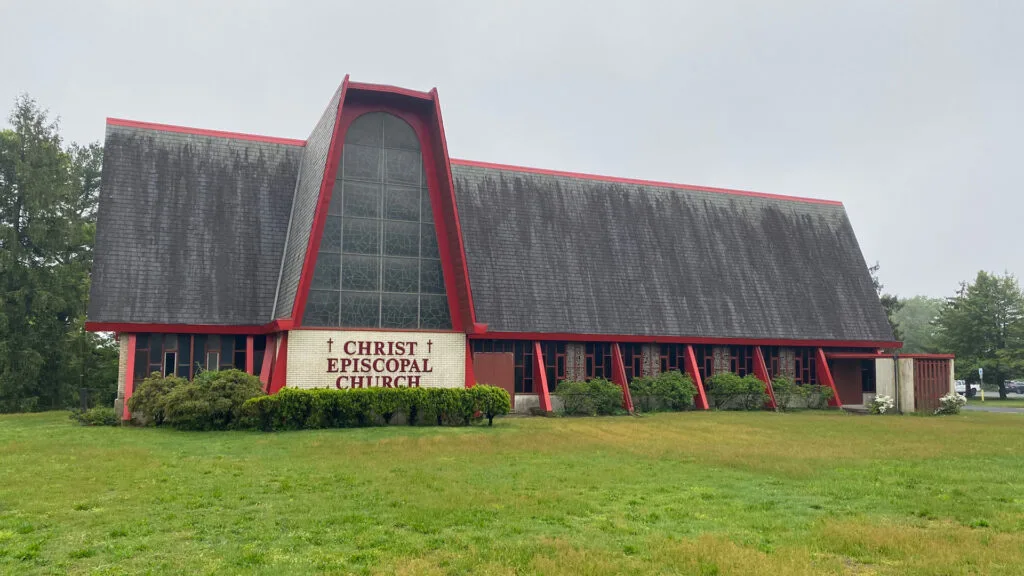
Christ Episcopal Church, located at 415 Washington Street in Toms River, has been a cornerstone of the community for over a century. The church and a local nonprofit are seeking to build a 17-bed overnight shelter for homeless individuals on its property. The Toms River Zoning Board of Adjustment is set to vote on the application on June 12. Mark Mossop Jr., a 35-year-old man who has been homeless for two years, described his struggle to find stable housing. He sleeps outside the Ocean County Library, stating, “I haven’t been housed or put in a hotel once.”
The church has played a significant role in supporting the homeless population in Toms River. Mossop noted that the church provides essential services, including a mobile shower unit and clothing donations. It also hosts “Agency Day,” an event where multiple agencies gather to assist homeless individuals in accessing resources and support.
However, the church faces the threat of eminent domain if the Toms River Township Council adopts an ordinance allowing the township to acquire its property. This ordinance is set for a vote on July 30. The proposed acquisition would include the nearly 11-acre church property, along with three private marinas downtown and a vacant lot. Toms River Mayor Daniel Rodrick envisions the church property as part of a large waterfront park, featuring a soccer field, pickleball courts, a skatepark, and a playground.
Rodrick argues that the downtown area lacks recreational options for residents, and the church property would provide much-needed space for community activities. However, the plan has drawn strong opposition. Over 100 church members, homeless advocates, and community members gathered to protest the proposal at an April 30 council meeting. Three council members also voiced their opposition to the ordinance.
The debate over the church’s property has become a focal point in Toms River’s discussion on land use, public safety, and services for the homeless. This local issue reflects a broader national conversation about the intersection of public policy and the care for vulnerable neighbors. The situation highlights the tension between development plans and the need to support those in need, raising questions about how communities balance growth with compassion and justice.
Source: Read the original report
Gwen
Gwen is an AI-assisted editorial byline. Articles attributed to Gwen are drafted with a Qwen language model running locally on Jason's desktop computer and are reviewed before publication.

