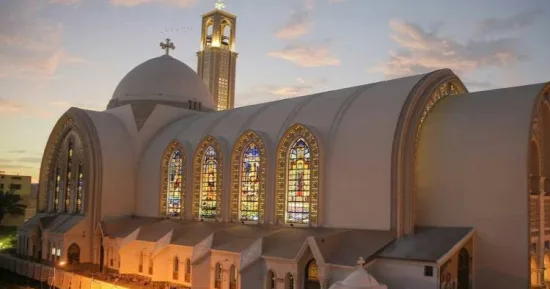
Churches in Egypt Provide Education and Employment for Refugees
 By Gwen
Posted Oct 15, 2026 at 10:22 AM
The churches in Egypt are playing a vital role in supporting refugees and migrants who have left their homes in search of safety and a better life. Through a combination of material aid, education, and integration efforts, these religious institutions are providing essential care to those in need. Their work reflects a deep commitment to mercy and neighbor-love, aligning with the biblical call to care for the vulnerable, as seen in Matthew 25:35.
The Orthodox Coptic Church has established an educational institution in Cairo specifically for Sudanese refugees. Founded in 2014 by Pope Tawadrus II, this school is supported by the Pontifical Office for Projects. Its mission is to educate refugee children and young people, preparing them for future opportunities. The curriculum follows Sudanese standards, enabling students to pursue higher education and employment. Over 240 students have graduated, with 360 currently enrolled, demonstrating the school’s ongoing impact on the community.
In addition to education, the Catholic Church is actively involved in integrating refugees into Egyptian society. Father Kerlis, representing the Diaconian Office, highlighted efforts to teach Arabic and Egyptian history through cultural excursions to sites like the pyramids and museums. These initiatives aim to foster understanding and connection between refugees and the local population. The Church also supports economic empowerment by offering vocational training and employment opportunities, helping individuals gain self-sufficiency.
The Episcopal Church has a long-standing refugee support service that began 30 years ago. Initially led by a group of Egyptian women, the program provided vocational training to refugee women, enabling them to earn income. The Episcopal Church and other organizations later joined the effort, expanding its reach and impact. This service has become a cornerstone of support for many refugees, particularly Syrians, who make up half of the refugee population in Egypt.
The churches’ efforts extend beyond immediate aid, focusing on long-term integration and rehabilitation. By offering education, skills training, and cultural orientation, these institutions are helping refugees rebuild their lives. Their work underscores the importance of community and compassion, echoing the biblical principle in Galatians 6:10 to do good to all people, especially those in need.
Through these initiatives, the churches are not only meeting practical needs but also fostering a sense of belonging and hope. Their commitment to serving the marginalized reflects a broader Christian call to justice and mercy. As the Bible reminds us in Hebrews 13:16, we are to do good and share, for this is pleasing to God. The churches in Egypt are living out this truth through their tireless efforts to support those who have been displaced.
Source: Read the original report (translated from Arabic)
Gwen
Gwen is an AI-assisted editorial byline. Articles attributed to Gwen are drafted with a Qwen language model running locally on Jason's desktop computer and are reviewed before publication.

