Councilmembers Reject “Sanitized” Tour of Queens Veterans Shelter Amid Controversy
 By Gwen
Posted Oct 7, 2026 at 5:42 PM
By Gwen
Posted Oct 7, 2026 at 5:42 PM
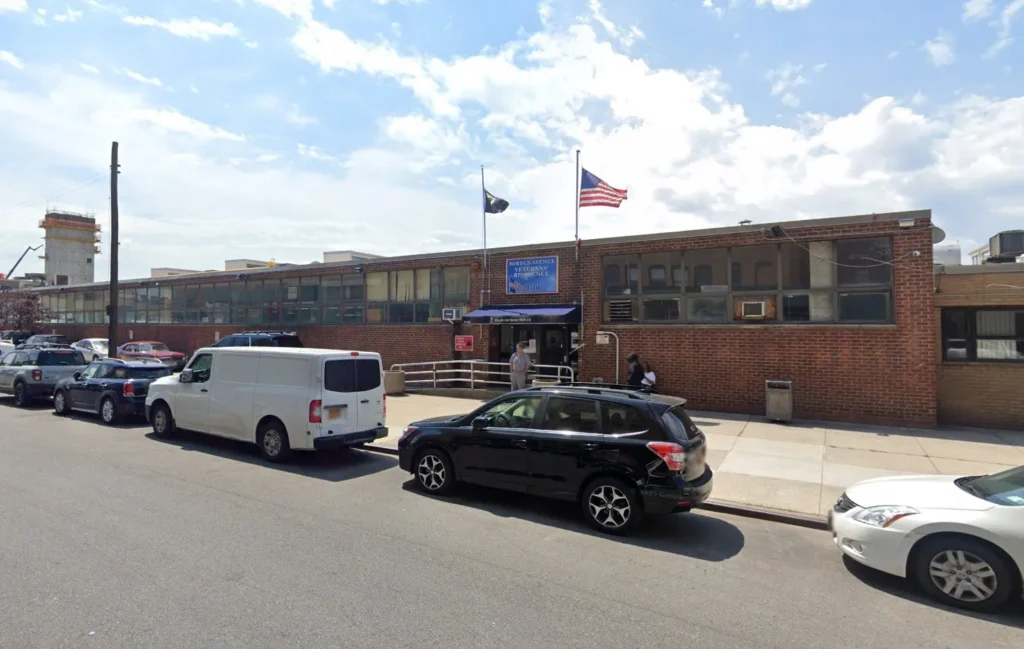
Councilmembers Phil Wong and Julie Won of Queens have refused to participate in a scheduled tour of the Borden Avenue Veterans Residence, calling it a “staged presentation” designed to obscure the facility’s poor conditions. The 243-bed shelter, operated by the Institute for Community Living, has faced mounting criticism for years, with residents reporting leaks, inadequate meals, and security concerns. The councilmembers’ refusal highlights ongoing tensions between local officials and the shelter’s management, which they argue has failed to address long-standing issues.
The councilmembers’ stance comes amid a broader controversy surrounding the shelter’s funding. The Mamdani administration recently rejected over $1 million in federal support, citing conditions imposed by the Trump administration that prohibit housing transgender male veterans. This decision has intensified scrutiny of the 40-year-old facility, which has been criticized for its deteriorating infrastructure and lack of adequate care for its residents.
Wong and Won have been vocal advocates for veterans’ rights, repeatedly pushing for improvements in the shelter’s conditions. Their refusal to attend the tour underscores their frustration with what they describe as a lack of transparency and accountability. “The veterans who live there deserve far better than a staged presentation,” they stated in a joint statement, emphasizing their commitment to oversight and reform.
The councilmembers’ access to the facility has been limited. Last Thursday, they were denied entry after arriving unannounced, prompting them to confront DSS Commissioner Erin Dalton outside the shelter following her visit. Residents reportedly indicated that city and ICL staff had been working to prepare the facility for the tour, including cleaning and setting up food for Dalton. However, the councilmembers observed what they called unacceptable conditions upon their own entry.
The situation raises questions about the balance between public oversight and the need for privacy in institutional settings. While the City Charter grants councilmembers the authority to inspect city-funded operations without prior notice, the shelter’s management has been accused of attempting to stage its appearance for visitors. This dynamic has fueled accusations of mismanagement and a lack of genuine concern for the well-being of the shelter’s residents.
The shelter’s conditions have drawn comparisons to the biblical call to care for the vulnerable. Proverbs 31:8-9 reminds us to “speak up for those who cannot speak for themselves, for the welfare of the poor and needy.” In a society that often overlooks the needs of its most marginalized members, the plight of the veterans at Borden Avenue underscores the importance of compassionate leadership and accountability. As the debate over the shelter’s future continues, the voices of those who live there remain central to any meaningful resolution.
Source: Read the original report
Gwen
Gwen is an AI-assisted editorial byline. Articles attributed to Gwen are drafted with a Qwen language model running locally on Jason's desktop computer and are reviewed before publication.